

Mobility Scooter Wholesale Sourcing Guide for Beginners
Reading Time: 12 minutes
Table of Contents
- Introduction: Why Strategic Sourcing Matters for Mobility Scooter Buyers
- Step 1: Lock Down Your Market & Product Specifications First
- Step 2: Where to Find Verified Mobility Scooter Manufacturers Globally
- Step 3: Key Vetting Checklist to Separate Reliable Factories From Unqualified Suppliers
- Step 4: Non-Negotiable Global Certifications You Must Confirm Before Ordering
- Step 5: Compare OEM & ODM Solutions to Match Your Business Model
- Step 6: Sample Testing & Small Trial Orders to Mitigate Bulk Risks
- Step 7: Calculate Full Landed Cost to Avoid Hidden Budget Losses
- Step 8: Negotiate Fair MOQ, Payment Terms & After-Sales Support
- Step 9: Logistics & Battery Shipping Rules for Cross-Border Import
- Common Sourcing Mistakes New Wholesale Buyers Must Avoid
- Final Takeaways for Long-Term Stable Mobility Scooter Supply Chains
Introduction: Why Strategic Sourcing Matters for Mobility Scooter Buyers
Step 1: Lock Down Your Market & Product Specifications First
1.1 Target Market Regulatory Split
- EU markets: Classified as light electric vehicles or medical assistive devices, requiring CE MDR and EN 15194 standards
- US market: FDA registration for medical-grade scooters, UL 2272 battery safety certification mandatory
- Australia & New Zealand: TGA compliance and local electrical safety testing
- Southeast Asia: Looser certification rules but strict lithium battery shipping controls
1.2 Core Product Category Selection
- Portable lightweight mobility scooters: Foldable frame, low weight for airline transport, 300–500W motors, short daily range for retail end-users
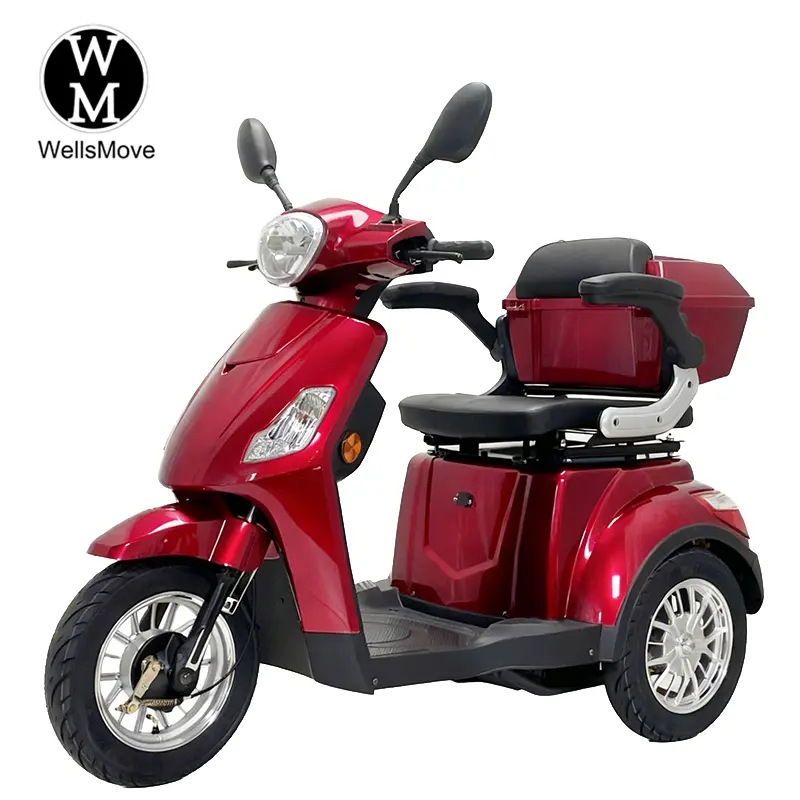
- Standard three-wheel elderly trikes: 500–600W drive motors, 48V 12Ah/20Ah lithium batteries, 30-degree climbing capacity, max speed 25–35km/h for residential daily use
- Heavy-duty industrial tricycles: Reinforced steel/aluminum frames, high load capacity, designed for warehouse patrol and large campus transport
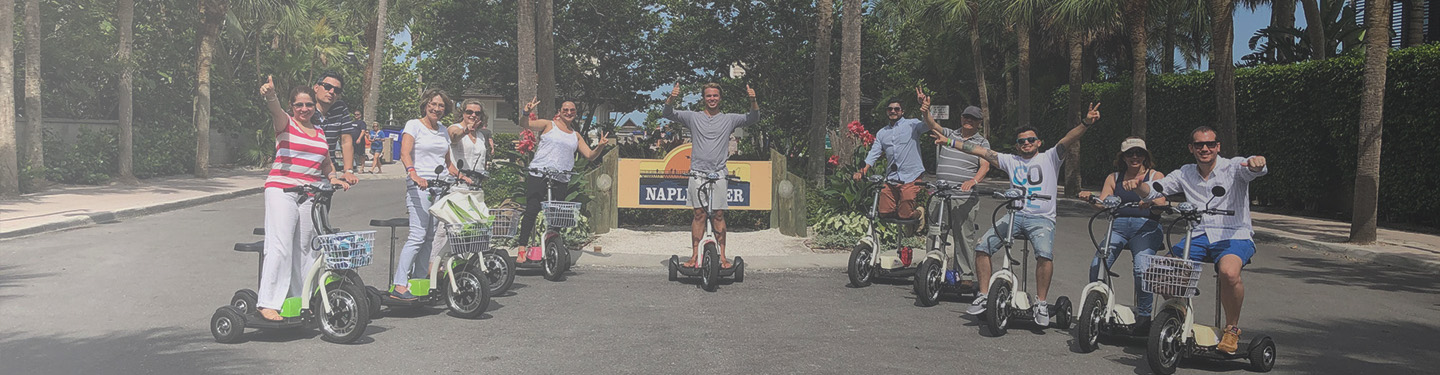
- Rental tourism mobility scooters: Wear-resistant tires, simplified maintenance structure, bulk spare parts matching for rental fleet operators
1.3 Fixed Hardware Specs to Document
Step 2: Where to Find Verified Mobility Scooter Manufacturers Globally
2.1 Professional B2B Global Marketplaces
2.2 Global Medical & Mobility Trade Shows
2.3 Industry Social Media & Professional Networks
2.4 Third-Party Sourcing Consultancy Platforms
Step 3: Key Vetting Checklist to Separate Reliable Factories From Unqualified Suppliers
-
Enterprise Operation History
Prioritize factories established over 20 years with continuous metal frame welding and electric vehicle production records. Long-running teams build stable craftsmanship standards through standardized staff training and internal technical learning systems. Factories with less than five years of mobility scooter production often lack mature electronic debugging workflows.
-
Independent R&D & Production Capacity
Confirm in-house steel and aluminum structural processing workshops plus dedicated electronic testing labs. Ask for monthly output capacity data to confirm they can fulfill peak seasonal bulk orders without delivery delays. Avoid suppliers outsourcing all frame assembly and motor wiring to third-party subcontractors.
-
Formal Quality Control System
Request full pre-production, mid-production and finished-product inspection records. Reliable manufacturers conduct full performance testing on every scooter before packaging: brake stability, battery discharge cycles, climbing performance and waterproof leakage tests.
-
Global Export Track Record
Ask for past client cooperation cases with European, American or Australian mobility distributors. Factories with long-term overseas wholesale partners demonstrate familiarity with international customs paperwork and cross-border compliance rules.
-
Transparent Customization Support
Clarify if the factory supports private labeling, color shell modification, packaging redesign and parameter adjustment. Mass production factories with complete customization lines deliver stronger brand differentiation for wholesale buyers.
Step 4: Non-Negotiable Global Certifications You Must Confirm Before Ordering
- CE MDR + EN 15194: Mandatory for all mobility scooters sold within the European Economic Area, covering motor speed limits, electromagnetic interference and battery overload protection
- UL 2272: US market lithium battery safety certification, preventing thermal runaway and fire hazards
- FDA 510(k) Clearance: Required for medical-grade mobility scooters marketed to hospitals, rehabilitation clinics and senior care facilities
- ISO 9001: Standardized factory quality management system proof
- RoHS: Restriction of hazardous materials for electronic components, mandatory for EU retail sales
Step 5: Compare OEM & ODM Solutions to Match Your Business Model
OEM Production (Original Equipment Manufacturing)
- Core advantages: Lower unit cost for large bulk orders, stable finished product performance, shorter production setup cycles
- Suitable buyers: Large-scale distributors with established brand positioning, monthly orders above 200 units, only requiring custom logo and packaging modifications
- Limitations: Limited structural or hardware adjustment; factory’s original frame and electronic layout cannot be redeveloped
ODM Production (Original Design Manufacturing)
- Core advantages: Full product redesign support, custom motor, battery and frame parameter adjustment, exclusive model rights for regional markets
- Suitable buyers: Medium-sized wholesalers launching proprietary mobility product lines, tourism rental operators needing custom fleet models, healthcare brands with specialized medical transport demands
- Limitations: Higher upfront mold development fees, longer production lead times for first orders, higher minimum order quantities
Quick Decision Guide
Step 6: Sample Testing & Small Trial Orders to Mitigate Bulk Risks
-
Pre-Production Sample Request
Order 1–2 units of your target scooter model for full offline testing. Evaluate real-world performance: maximum driving range under full load, uphill stability, brake response, battery charging speed and long-term frame durability. Have local end-user groups (elderly testers, disability support staff) provide feedback on ergonomic design.
-
Small Trial Batch Orders
After passing sample inspection, place a small trial order matching the factory’s minimum order quantity (MOQ). Most standard mobility trike factories set base MOQs between 50–100 units; lightweight foldable models often accept smaller batches of 20–30 units. Trial shipments let you test full logistics workflows, customs clearance procedures and local market sales response before scaling order volume.
-
Defect Recording Standard
Document all sample and trial batch flaws with photos and performance test data, then submit formal revision requests to the factory before mass production. Reliable manufacturers will adjust assembly workflows and component sourcing to resolve identified defects free of extra fees.
Step 7: Calculate Full Landed Cost to Avoid Hidden Budget Losses
- Factory ex-factory unit price (base scooter cost)
- Customization fees (logo printing, packaging redesign, color modification)
- Export packaging and palletization charges
- Ocean/air freight shipping fees, port handling charges at origin
- Lithium battery dangerous goods surcharges
- Destination port customs duties and import taxes
- Local customs clearance agent service fees
- Domestic last-mile delivery to your warehouse
- Third-party product inspection certification fees
- Insurance for ocean transit damage or loss
Step 8: Negotiate Fair MOQ, Payment Terms & After-Sales Support
8.1 Minimum Order Quantity (MOQ) Flexibility
8.2 Secure Payment Terms
8.3 Long-Term After-Sales & Spare Parts Agreements
Step 9: Logistics & Battery Shipping Rules for Cross-Border Import
-
Packaging Compliance Rules
All battery packs must be separated from scooter frames during ocean transit with shockproof insulating packaging, matching IATA dangerous goods packaging standards. Factories with long export experience pre-configure compliant cartons to avoid port detention.
-
Shipping Method Selection
- Ocean freight: Lowest per-unit transport cost for bulk orders above 100 units, transit times 25–45 days, ideal for non-urgent restocking
- Air freight: Fast 5–10 day delivery for small trial batches or emergency stock replenishment, significantly higher battery surcharges
- Express courier: Only suitable for single sample shipments, cost-prohibitive for wholesale bulk inventory
- Mandatory Shipping Documentation
Prepare complete document sets for customs clearance: commercial invoice, packing list, certificate of origin, full product safety certification reports and battery dangerous goods transport declarations. Missing any single document will delay port release and generate daily storage fines.
Step 10: Common Sourcing Mistakes New Wholesale Buyers Must Avoid
- Prioritizing ultra-low unit pricing over factory certification and quality control, resulting in non-compliant seized shipments
- Skipping sample testing and directly placing large bulk orders based only on catalog images
- Failing to verify original certification reports and accepting counterfeit compliance documents
- Ignoring lithium battery dangerous goods shipping rules, leading to freight carrier shipment rejection
- Not calculating full landed cost, underestimating duties, freight and local clearance fees
- Signing vague contracts without formal spare parts warranty and defect compensation clauses
- Partnering with trading companies that lack direct factory production oversight for long-term bulk orders
- Neglecting market-specific regulatory differences between EU, US and Australian import standards
- Overlooking seasonal demand cycles and factory production lead times, creating retail stock shortages during peak sales periods
Final Takeaways for Long-Term Stable Mobility Scooter Supply Chains
Related Reading for Further Sourcing Learning
- How to Import Certified Mobility Scooters Without Customs Risk
- OEM vs ODM Mobility Scooters: Matching Production Modes to Your Wholesale Business
- Step-by-Step Landed Cost Calculation Template for Mobility Trikes
- How to Complete a Full Factory Audit Before Signing Bulk Purchase Contracts
Post time: Jun-19-2026