

Mobility Scooter Procurement Strategy for Distributors: A Complete Actionable Guide
Table of Contents
- Introduction: Why Distributors Need a Structured Mobility Scooter Procurement Strategy
- Step 1: Lock Down Market Positioning & Product Specification Benchmarks
- Step 2: Supplier Vetting Framework to Filter Reliable Mobility Scooter Manufacturers
- Step 3: Compliance & Certification Risk Control for Cross-Border Bulk Sourcing
- Step 4: Cost Negotiation & Total Ownership Cost Optimization Tactics
- Step 5: Inventory & MOQ Management to Reduce Capital Waste
- Step 6: Logistics, Shipment & After-Sales Supply Chain Planning
- Step 7: Long-Term Supplier Partnership Strategies for Stable Supply
- Common Procurement Mistakes Distributors Must Avoid
- Final Action Checklist for Your Next Bulk Mobility Scooter Order
- Conclusion
Introduction: Why Distributors Need a Structured Mobility Scooter Procurement Strategy
The global mobility scooter market maintains steady annual growth, driven by aging populations, rising demand for disability assistive equipment, tourism rental fleets, and facility security patrol vehicles. For regional distributors, importers and healthcare equipment wholesalers, bulk procurement directly determines profit margins, inventory turnover and long-term market reputation.
Many mid-sized distributors rely on fragmented sourcing practices: random supplier screening, only comparing unit prices without calculating full logistics and compliance costs, or placing large orders without sample verification. These loose procurement methods easily lead to customs detention, high defective return rates, overstocked slow-selling models, and squeezed profit space.
This strategy guide targets all overseas mobility scooter distributors. It delivers market-verified, step-by-step procurement workflows covering product matching, factory audit, certification compliance, cost negotiation, inventory control and supply chain risk prevention. After reading, you will build a repeatable procurement system that cuts sourcing risks by over 30% and lifts overall gross profit by 12–25%.
Step 1: Lock Down Market Positioning & Product Specification Benchmarks
Before contacting any manufacturers, clarify your target market demand matrix. Blind bulk purchasing is the top cause of unsellable inventory. All procurement decisions must align with local end-user demands and regional regulatory limits.
1.1 Segment core end-user groups to define product lines
Three mainstream consumer segments shape mobility scooter purchasing standards:
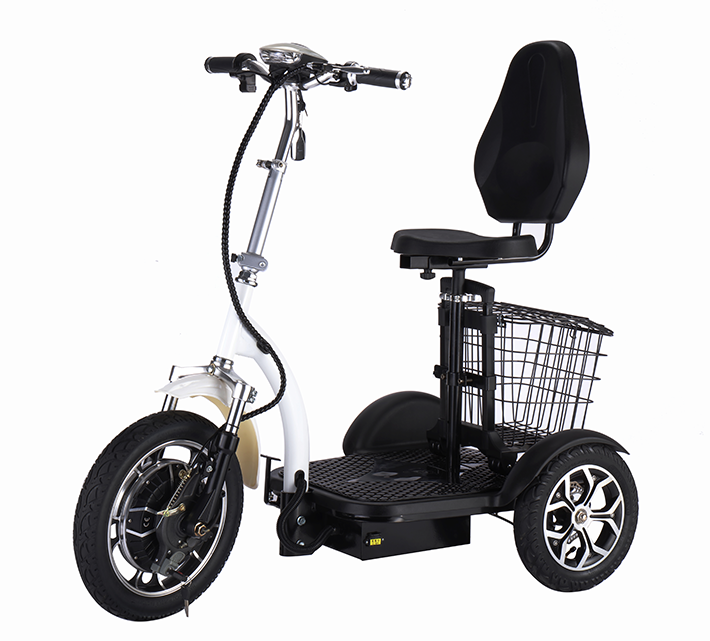
- Elderly daily commuters: Prioritize stable 3-wheel trike design, low speed control, easy operation, 48V lead-acid batteries, lightweight frames and affordable price points.
- Disabled medical users: Require heavy-duty load capacity, strong climbing performance, long-range lithium batteries, medical-grade safety certifications and full shock absorption.
- Commercial clients (tourism rental, property patrol): Demand durable steel/aluminum frames, high waterproof rating, interchangeable spare parts and low maintenance cost.
1.2 Standardize core technical specification benchmarks
Sort fixed parameter standards for bulk orders to avoid inconsistent product quality from different factories:
- Motor power: 500W basic model / 600W heavy climbing model (30° gradient capability)
- Battery configuration: 48V 12Ah entry-level / 48V 20Ah long-distance version
- Top speed limit: Match local road legal standards (max 35km/h for general export models)
- Frame material: Distinguish low-cost steel frame and premium lightweight aluminum alloy frame
- Load capacity, tire size, waterproof grade and foldable portable function as optional matching items
1.3 Set tiered price positioning
Divide inventory into three product tiers to balance cash flow and market coverage:
- Entry tier: Basic 3-wheel electric trikes for price-sensitive retail customers
- Mid-tier: Foldable portable mobility scooters for airport, travel and home storage scenarios
- Premium tier: Heavy-duty four-wheel scooters for medical institutions and commercial rental fleets
Step 2: Supplier Vetting Framework to Filter Reliable Mobility Scooter Manufacturers
Not all factories claiming mobility scooter production capacity can support stable bulk wholesale. Distributors need a multi-dimensional audit system to screen qualified manufacturing partners, referencing the 20+ year vehicle frame production experience of professional mobility equipment manufacturers.
2.1 Core factory qualification inspection list
- Production timeline: Factories with more than 10 years of electric mobility vehicle manufacturing have mature metal frame welding and electronic assembly lines
- Structural capability: Independent steel and aluminum metal processing workshop, in-house electronic system R&D team (avoids outsourced unstable component quality)
- Production scale: Monthly output capacity matching your monthly sales volume; confirm dedicated production lines for mobility trikes instead of mixed assembly with other electric vehicles
- Staff training mechanism: Standardized technical worker training system reduces finished product defect rates
2.2 Three-stage supplier verification process
- Document review stage: Request full business license, production workshop layout, product test reports and export certification files
- Sample testing stage: Mandatory pre-order sample purchase. Complete real-road climbing, battery endurance, braking safety and waterproof tests; record all defects for factory rectification before mass order
- On-site audit stage (for large annual order volume): Arrange factory inspection to check raw material storage, production quality inspection process and finished product packaging standards
2.3 Screening elimination criteria
Directly exclude suppliers with the following risks:
- Unable to provide region-specific export compliance certificates
- Refuse sample delivery or cut corners on sample materials
- No independent metal frame processing workshop, all frames outsourced
- Unstable lead time records with multiple client delayed delivery feedback
Step 3: Compliance & Certification Risk Control for Cross-Border Bulk Sourcing
Compliance failure is the costliest procurement risk for distributors. Uncertified mobility scooter shipments face customs seizure, heavy fines and total order loss. Different target markets enforce non-negotiable certification standards.
3.1 Mandatory certifications by region
- European market: CE EN 15194 for electric mobility equipment, UN38.3 battery transport certification, EEC road legal document for on-road models
- North American market: UL 2272 battery safety certification, relevant DOT vehicle classification documents for each state
- Medical equipment sales channels: ISO 13485 medical device manufacturing quality system certification
- Southeast Asia & Latin America: Local homologation and customs import testing documents vary by country, confirm requirements before order placement
3.2 Practical compliance procurement tips
- Do not accept unofficial certification copies; ask suppliers to provide verifiable original certification serial numbers for third-party cross-check
- List all required certification documents clearly within sales contracts, mark liquidated damages clauses if products fail customs inspection due to incomplete certificates
- Prioritize manufacturers integrating compliance testing into daily production, instead of factories that apply for certificates temporarily for single orders
Step 4: Cost Negotiation & Total Ownership Cost Optimization Tactics
Most new distributors only compare unit ex-factory prices, ignoring hidden costs that account for 30–50% of total procurement expenditure. Professional procurement evaluates total cost of ownership (TCO) rather than single unit price.
4.1 Break down full-cycle cost components
- Direct cost: Unit ex-factory price, customized logo, color packaging and accessory upgrade fees
- Logistics cost: Sea freight, container loading fee, port handling, destination customs clearance and local last-mile delivery
- Hidden risk cost: Customs tariff, defective product return shipping, after-sales spare part replenishment, inventory capital occupation loss
4.2 Negotiation strategies for better bulk terms
- Tiered volume discount negotiation: Lock progressive price reduction tiers based on annual order volume (50 units / 100 units / 500+ units)
- Mixed MOQ negotiation: Combine multiple mobility scooter models to reach total minimum order quantity, avoid stocking single slow-selling products
- Payment term optimization: Negotiate balanced deposit ratios (30% deposit, 70% balance before shipment) and leverage trade assurance mechanisms to reduce capital risk
- Bundle value-added services: Negotiate free export packaging upgrade, one batch of free spare parts, and extended bulk order warranty as order attachments
4.3 Cost comparison example logic
A cheap low-certificate factory with 10% lower unit price may generate 25% extra hidden costs from customs fines, high defective rates and unavailable spare parts. Slightly higher-priced certified manufacturers with stable quality and complete documents deliver higher net profit in long-term cooperation.
Step 5: Inventory & MOQ Management to Reduce Capital Waste
Improper minimum order quantity and inventory matching lead to massive capital backlog for mobility scooter distributors. A scientific MOQ and stock rotation strategy balances factory cooperation conditions and cash flow safety.
5.1 Flexible MOQ negotiation methods
- Pilot trial order: Propose small-batch trial orders for new markets, promise follow-up repeated bulk orders to persuade factories to lower single-batch MOQ
- Off-peak order scheduling: Place orders in factory low-production seasons to obtain looser MOQ requirements and faster delivery cycles
- Mixed model consolidation: Split total MOQ across portable light mobility, standard trike and heavy-duty scooter to diversify inventory without overstocking one model
5.2 Inventory turnover management rules
- Fast-moving basic 3-wheel trikes: Maintain 45–60 days of sales inventory volume
- Mid-tier foldable portable scooters: Control 30 days of stock to avoid space occupation
- Premium heavy-duty commercial models: Adopt pre-order stocking mode with minimal safety inventory
- Set quarterly inventory clearing cycles for slow-selling units through bundled accessory promotions
Step 6: Logistics, Shipment & After-Sales Supply Chain Planning
Mobility scooters feature large frames and fragile battery components; poor packaging and logistics planning easily cause scratch damage or battery transport delays. Integrate logistics and after-sales into your overall procurement strategy.
6.1 Shipment packaging standards to reduce damage loss
Require manufacturers to implement standardized protective packaging before loading:
- Bubble wrap full frame coverage, hard plastic corner guards for metal frame edges
- Thick five-layer corrugated export cartons marked with Fragile Medical Equipment labels
- Separate independent anti-collision packaging for batteries to comply with UN38.3 transport rules
- Palletized consolidation for full container loads to avoid extrusion during sea transit
6.2 After-sales spare part supply agreement
Add spare part clauses into procurement contracts to avoid post-sale service paralysis:
- Require each bulk order to attach a proportional free spare parts package (brakes, controllers, tires, charging cables)
- Lock fixed spare part supply lead time and preferential wholesale prices for post-order replenishment
- Confirm long-term component supply guarantee (minimum 5 years of spare part production for each scooter model)
Step 7: Long-Term Supplier Partnership Strategies for Stable Supply
One-off transaction sourcing exposes distributors to unstable prices, delayed delivery and quality fluctuations. Building strategic long-term partnerships with qualified manufacturers creates sustainable procurement advantages.
7.1 Exclusive cooperation incentive mechanisms
- Offer regional exclusive sales rights to core suppliers in exchange for priority production line scheduling and maximum volume discounts
- Share quarterly local market demand forecasts with factories to help them arrange raw material procurement in advance, shortening production lead times
- Jointly develop customized models for local market characteristics to form differentiated product competitiveness against competing distributors
7.2 Regular supplier performance evaluation
Set quarterly assessment indicators for all manufacturing partners:
- On-time delivery rate
- Finished product defect ratio
- Compliance document completeness
- Spare part response speed
- Price stability compared to industry market average
Eliminate underperforming suppliers annually and expand cooperation with top-performing factories.
Step 8: Common Procurement Mistakes Distributors Must Avoid
Based on industry bulk sourcing data, these recurring errors cut distributor profits and increase operational risks:
- Skipping sample testing before large orders: Mass defective goods generate huge return and inventory losses
- Prioritizing low prices over certification: Shipments detained at destination customs lead to full order abandonment
- Single-source supplier dependence: Factory production line shutdowns cause market stock shortages
- Ignoring total ownership cost, only comparing unit prices: Hidden logistics and risk costs erode all profit margins
- Overstocking premium heavy-duty scooters without steady commercial client channels
- Failing to sign clear spare part and warranty clauses in formal contracts
- Placing peak-season orders without advance scheduling, facing 2–4 weeks production delays
Step 9: Final Action Checklist for Your Next Bulk Mobility Scooter Order
Complete this checklist before confirming any large procurement contract to eliminate blind spots:
- Completed local market regulatory and certification requirement research
- Confirmed tiered product specification matching target customer groups
- Finished sample road testing and recorded all quality adjustment demands
- Verified all factory certification serial numbers via third-party platforms
- Calculated full total ownership cost including shipping, tariff and after-sales expense
- Negotiated tiered volume discounts and flexible mixed MOQ terms
- Added packaging standard, spare part supply and delay compensation clauses to contracts
- Confirmed production lead time and off-peak order scheduling plans
- Established quarterly supplier performance evaluation rules for follow-up cooperation
Conclusion
A mature mobility scooter procurement strategy is not simply a list of purchasing steps, but a closed-loop system covering market research, supplier screening, compliance control, cost optimization, inventory management and long-term supply chain cooperation. For global distributors operating in an expanding aging and assistive mobility market, standardized procurement workflows reduce operational risks while creating stable, differentiated product competitiveness.
Start building your own procurement system with the checklist above for your next bulk order. Continuous iteration of supplier evaluation and cost control rules will steadily lift your market share and long-term profit margins in the mobility scooter wholesale industry.
Post time: Jun-24-2026