

How to Identify High‑Quality Mobility Scooters
Mobility scooters serve diverse end‑users: senior citizens for daily errands, people living with disabilities for independent movement, tourism rental operators, security patrol teams, and warehouse site staff. For wholesale buyers and distributors, telling apart genuinely well‑built mobility scooters from budget‑cut alternatives directly shapes after‑sales burden, brand reputation, and long‑term profit margins. Many purchasers rely only on price or surface‑level appearance to make sourcing decisions, yet visible aesthetics rarely reflect real‑world durability, safety compliance, and long‑term performance.
Understanding what defines high‑quality mobility scooters helps buyers evaluate samples, compare competing product lines, and avoid costly missteps before placing large‑volume orders. Material quality, core electric components, safety compliance, ergonomic engineering, real‑world performance testing, and supplier manufacturing capability all play vital roles. Small oversights in these areas can translate into product returns, warranty claims, or even regulatory hold‑ups at customs.
Table of Contents
- Understanding Mobility Scooter Quality Basics
- Key Physical & Structural Indicators of High‑Quality Mobility Scooters
- Evaluating Core Electric Components: Motor, Battery & Controller
- Safety Certifications & Compliance You Cannot Overlook
- Ergonomics, Riding Comfort and Practical‑Use Performance
- Comparing Different Mobility Scooter Categories
- Advanced Vetting Techniques for Wholesale Buyers
- Frequently Asked Questions
- Conclusion
- Related Posts
Understanding Mobility Scooter Quality Basics
Quality mobility scooters balance structural robustness, dependable electronic performance, user‑centered ergonomics, and full regulatory compliance. Unlike regular consumer electric scooters, mobility devices frequently support users with limited physical capability, which makes consistent safety the highest priority.
Two common misconceptions often mislead purchasers. First, higher purchase price alone does not guarantee reliable build quality. Some mid‑range models deliver excellent durability through optimized manufacturing workflows, while certain premium‑priced products skimp on internal components to boost profit. Second, polished product photos and attractive exterior shell finishes tell very little about chassis welding quality or internal wiring standards.
When assessing quality, keep three core principles top‑of‑mind:
- The frame acts as the foundational skeleton; sub‑standard frames risk bending, cracking, or unstable handling under regular load.
- Electric assemblies (motor, battery, controller) determine real‑world range, hill‑climbing ability, and service lifespan.
- Verified third‑party compliance documentation protects buyers from customs detention and product‑liability risks in target markets.
Sample inspection should cover static visual checks plus practical operation tests. Even a visually flawless unit can reveal hidden weaknesses during load, slope, or continuous‑run testing.
Key Physical & Structural Indicators of High‑Quality Mobility Scooters
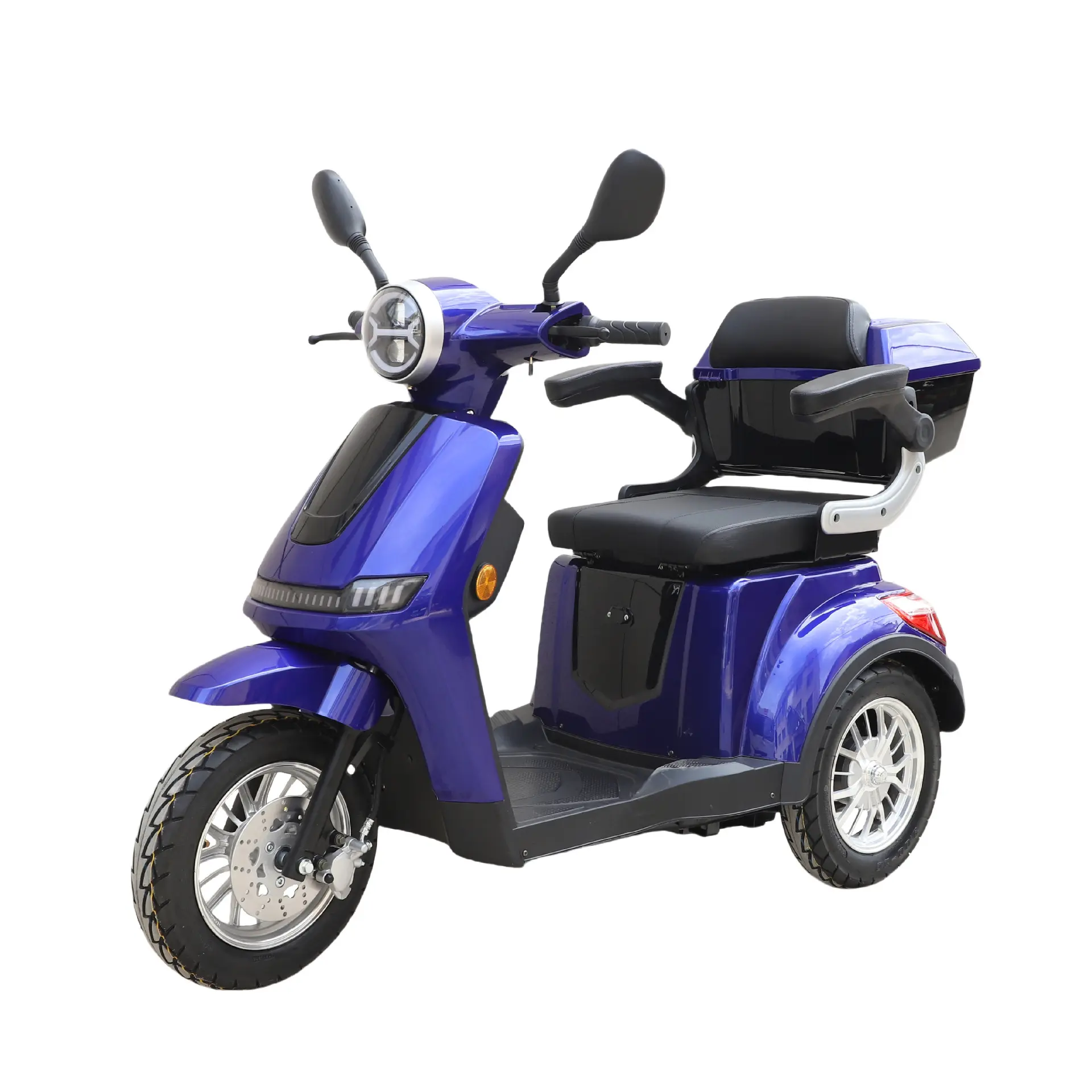
Frame construction represents one of the clearest markers of overall product quality. Most reliable mobility scooters use high‑tensile steel or lightweight aviation‑grade aluminum alloy frames. Budget‑focused alternatives often employ thin‑gauge metal, which saves material cost but degrades stability under repeated use and heavy loads.
Weld joints deserve close visual inspection. Premium units feature smooth, continuous, uniform welds without pinholes, cracks, or incomplete fusion. Poor welding creates hidden failure points that may only manifest after months of customer use. Quality‑focused manufacturers implement anti‑corrosion workflows such as sandblasting, primer coating, and weather‑resistant topcoat paint to defend frames against rain, humidity, and outdoor UV exposure.
Additional structural check‑points:
- Weight‑bearing performance: Quality frames pass over‑load testing, safely supporting at minimum 120%‑130% of the official rated user weight without permanent deformation.
- Wheel and tire assembly: Look for puncture‑resistant rubber tires, robust wheel hubs, and secure axle mounting. Wobbly wheel assemblies point to low‑cost manufacturing.
- Folding or latch hardware (for portable models): Hinges and locking latches should operate smoothly without excessive play; high‑quality hardware sustains thousands of open‑close cycles.
- Body shell fit‑and‑finish: Panel gaps stay narrow and consistent; no sharp edges or brittle thin plastic parts prone to cracking under minor impact.
When manually testing a unit, gently rock the scooter side‑to‑side. Noticeable wobble suggests loose joints or insufficient frame rigidity.
Evaluating Core Electric Components: Motor, Battery & Controller
Motor, battery pack, and controller are the functional heart of every mobility scooter, determining climbing capacity, actual driving range, noise levels, and total usable lifespan. Marketing datasheets can list optimistic theoretical parameters; buyers need practical indicators to validate real‑world performance.
Motor Performance
Brush‑less motors represent the standard for premium mobility equipment, delivering lower heat generation, quieter operation, and extended service life compared with brushed alternatives.
- Portable light‑duty scooters typically use 250W‑350W motors for flat‑surface short‑range travel.
- General‑purpose personal mobility models commonly adopt 500‑600W motors.
- Heavy‑duty tricycles for hilly terrain or commercial rental often require 600W‑1000W motors to achieve stable 20‑30‑degree slope climbing capabilityWellsmove.
Avoid trusting power figures printed only on marketing flyers. Verify if motor specifications are backed by lab test documentation. Under‑rated motors will overheat on inclines and suffer early burnout.
Battery Selection & Quality Checks
Two primary battery chemistries appear across the market: lead‑acid (AGM) and lithium‑ion.
- Lead‑acid AGM batteries carry lower upfront cost yet weigh considerably more and deliver roughly 300 full charge‑discharge cycles before capacity drops significantly. They fit low‑cost entry‑level product lines.
- Lithium‑ion battery packs weigh far less, support faster charging, and achieve 800‑1200 usable cycles. Reputable lithium packs integrate built‑in BMS (battery management systems) offering over‑charge, over‑discharge, short‑circuit, and thermal protection functions.
For cross‑border wholesale, confirm lithium batteries hold UN38.3 transport certification plus MSDS safety sheets; missing documentation can cause entire shipments to be seized during sea or air freight clearance.
Controller & Wiring Harness
A high‑quality controller delivers smooth throttle response, stable reverse‑gear operation, and effective over‑current protection. All wiring should use water‑resistant harness connectors. Loose, unprotected, or poorly bundled wiring increases failure risk when riding through damp or wet outdoor environments.
Safety Certifications & Compliance You Cannot Overlook
Certification compliance separates export‑ready mobility scooters from region‑restricted generic goods. Distributors must match documentation requirements to their target sales territories. Simply printing certification logos on product brochures is insufficient; reliable suppliers provide original, verifiable third‑party lab test reports from bodies such as TÜV or SGS.
Key regional compliance benchmarks:
- European Union & United Kingdom: CE (MDR medical device), EN 17128 mobility scooter safety standard, EMC electromagnetic compatibility, RoHS hazardous‑substance restrictions, UKCA marking for UK market access.
- North America: UL2272 lithium‑ion battery safety certification, FCC electromagnetic interference compliance; medical‑classified mobility scooters require relevant FDA documentation.
- Global lithium‑ion shipping: UN38.3 battery transport certification and MSDS material safety data sheets apply regardless of final sales destination.
- Factory quality‑management baseline: ISO 9001 indicates standardized production and internal quality‑control workflows.
Red flags buyers should watch for:
- Suppliers supplying only blurry screenshot copies of certificates rather than full official lab reports.
- Certifications issued under a different legal entity name than the manufacturing facility.
- Outdated test reports for newly‑launched product variants.
Skipping compliance verification creates serious business risks including customs seizure, mandatory product recalls, and liability claims from end‑users.
Ergonomics, Riding Comfort and Practical‑Use Performance
Even mechanically sound mobility scooters deliver poor user experience when ergonomic design receives insufficient attention. Wholesale buyers should simulate real‑world end‑user scenarios during sample evaluation.
Seating assemblies are central to comfort. High‑end units employ high‑density shock‑absorbing foam padding, adjustable‑angle backrests, and padded adjustable armrests. Foot platforms must remain non‑slip, with ample leg clearance for users of varying heights. Suspension systems absorb vibration from uneven pavements, gravel paths, or park trails. Premium models integrate front and rear spring suspension for improved ride smoothness.
Test these practical‑performance features when reviewing samples:
- Hill‑climbing performance: Test maximum stated gradient under full rated load; observe for motor over‑heating or unexpected power cut‑outs.
- Braking responsiveness: Both manual and electromagnetic brakes should bring the unit to stable, controlled stops without skidding. Anti‑tip structures reduce roll‑over risk for outdoor riding.
- Actual driving range: Marketing‑stated range numbers are usually measured under ideal lab conditions. Expect real‑world range reduction under cold temperatures, uphill travel, or maximum user weight.
- Lighting and visibility: Working front headlamps, turn‑signal indicators, and rear brake lights are essential for outdoor evening travel.
- Control panel usability: Buttons and throttle controls should operate intuitively for older users with limited dexterity.
Comparing Different Mobility Scooter Categories
Mobility scooters fall into three major product families, each with distinct quality benchmarks and target application scenarios. Wholesale buyers need to match quality expectations to product positioning and end‑user use‑casesWellsmove.
表格
| Product Category | Typical Features | Primary Application | Key Quality Focus Points |
|---|---|---|---|
| Portable Lite Mobility | Light‑weight, foldable / detachable structure, compact dimensions, moderate power output | Travel, car‑trunk transport, short community trips, retail consumer channels | Folding‑latch durability, low overall weight, compact battery safety |
| Personal Mobility | Balanced weight, enhanced seating comfort, full suspension, solid stability | Daily frequent home‑and‑outdoor use for seniors and disabled persons | Ride ergonomics, continuous‑run reliability, stable handling |
| Heavy‑Duty Tricycle | High‑wattage motor, reinforced frame, large‑capacity battery, high load capacity | Hilly‑area commuting, resort rental, site patrol, warehouse mobility | Frame tensile strength, climbing torque, heavy‑load braking performance |
Portable lightweight models should not sacrifice structural safety just to cut weight. Heavy‑duty tricycles require special attention to chassis robustness, because they frequently operate under maximum‑load commercial‑use conditions.
Advanced Vetting Techniques for Wholesale Buyers
Beyond individual sample inspection, serious purchasers should dig deeper into manufacturing quality‑control workflows. One good‑looking prototype sample offers no guarantee of consistency across mass‑production batches.
Questions to raise with potential manufacturers:
- What in‑house testing procedures are performed on finished units before shipment? Reliable factories conduct brake‑system testing, battery‑discharge cycling, slope simulation, and water‑splash resistance checks on production units, not merely pre‑production prototypes.
- Do they maintain in‑house metal‑frame processing workshops plus dedicated electronic‑system testing labs? Factories that outsource all frame fabrication and electronic assembly to third‑party subcontractors face higher risks of inconsistent build quality.
- Can they share export reference cases for your target geographic market? Long‑term experience supplying distributors in your region demonstrates familiarity with local compliance requirements.
- What are their exact warranty terms for different core components (frame, motor, battery, controller)? Clear, component‑specific warranty policies reflect confidence in product quality. Vague “one‑year full warranty” statements often carry numerous hidden exclusions.
Whenever feasible, arrange third‑party independent pre‑shipment inspection for initial bulk orders to verify that mass‑produced goods match sample‑unit standards.
Frequently Asked Questions
Is higher price always equal to better mobility‑scooter quality?
Not necessarily. Some mid‑tier manufacturers achieve solid quality through optimized processes, while certain expensive products spend budget on cosmetic upgrades instead of core mechanical and electronic improvements. Always assess materials, components, and compliance documentation independently of unit price.
What is the most frequent hidden failure point in low‑grade mobility scooters?
Poor‑quality lithium‑ion battery packs paired with inadequate BMS protection represent the highest risk point. Next‑common issues include weak frame‑weld quality and water‑vulnerable wiring harnesses.
Can I rely only on online reviews to judge wholesale‑order quality?
End‑user consumer reviews offer partial insight, yet most reviews reflect individual unit experiences. For wholesale buying, prioritize hands‑on sample testing plus verification of manufacturing workflows and regulatory certificates.
Which certification matters most for cross‑border mobility‑scooter importing?
There is no single universal certificate; requirements differ country‑by‑country. Battery‑safety certification and transport documentation (UN38.3) apply for nearly all international shipments, while regional standards such as CE‑MDR or UL2272 are mandatory for respective sales territories.
How should buyers handle discrepancies between marketing‑sheet parameters and real‑sample performance?
Document measured real‑world test results clearly in writing, and request formal written confirmation from suppliers that mass‑production goods will meet those practical performance benchmarks. Add relevant clauses within purchase contracts.
Conclusion
Identifying high‑quality mobility scooters calls for systematic evaluation, going far beyond surface appearance or quoted pricing. Frame‑material and welding quality set structural safety foundations. Motor, battery, and controller hardware determine real‑world power, range, and long‑term service life. Valid, region‑specific safety certifications protect wholesale buyers against customs and legal risks. Ergonomic design and hands‑on practical testing reveal how well a unit will serve actual end‑users.
Wholesale purchasers benefit from clarifying quality benchmarks before comparing quotes. Matching product specifications to target‑market end‑user needs helps avoid over‑specifying or under‑specifying orders. Remember that a cheaper per‑unit purchase price often leads to greater cumulative business costs via higher return rates, warranty work, compliance penalties, and harmed distributor reputation.
By applying consistent assessment checklists during sample evaluation and supplier vetting, buyers can confidently source durable, safe mobility scooters that satisfy end‑users while supporting sustainable wholesale‑business growth.
Post time: Aug-19-2026