

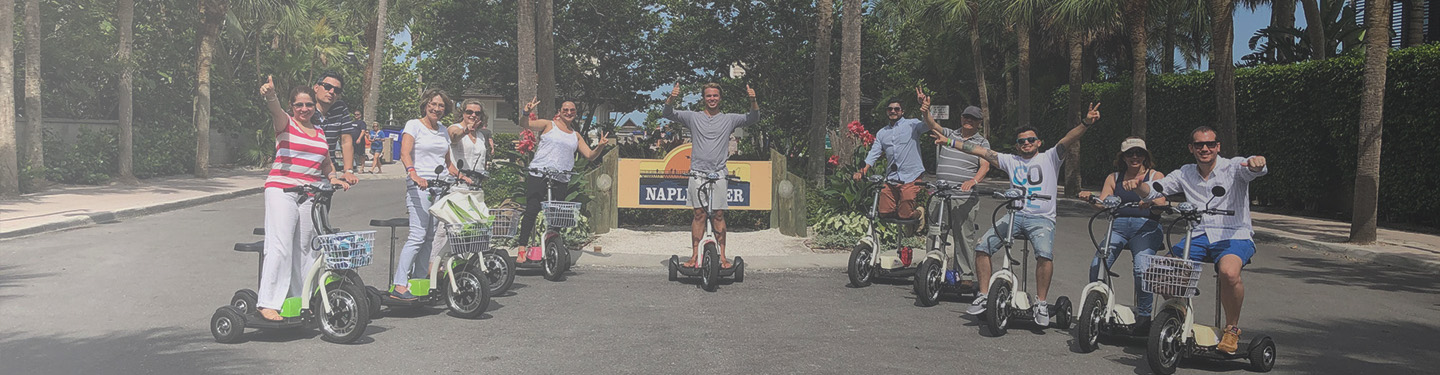
Hidden Costs When Importing Mobility Scooters
Table of Contents
- Understanding True Landed Cost for Mobility Scooter Imports
- Compliance and Certification Hidden Expenses
- Overlooked International Logistics and Shipping Fees
- Customs Clearance, Duties and Local Port‑Related Charges
- Post‑Arrival Inventory, Storage and Inland Delivery Costs
- After‑Sales, Spare‑Parts and Warranty‑Related Financial Burdens
- Customization, Sampling and Pre‑Shipment Unexpected Charges
- Practical Tips to Identify and Reduce Hidden Import Costs
- Frequently Asked Questions
- Conclusion
Mobility scooters represent a compelling business opportunity for distributors, retail store operators, rental fleet managers and healthcare procurement buyers across global markets. Rising aging populations create steady, growing demand for reliable personal mobility equipmentWellsmove. Many new importers focus solely on factory FOB unit pricing when calculating profit margins. What plenty of buyers learn the hard way is that a wide range of hidden costs can add 10%‑25% to your total procurement budget if you fail to plan for them upfront.
Ignoring these secondary expenses erodes expected profit margins, creates cash‑flow pressure, causes shipment delays, or even results in seized cargo and financial penalties. Whether you are placing your first trial container or scaling up long‑term wholesale orders, understanding every component of total import expenditure will help you set realistic resale pricing and build sustainable business operations.
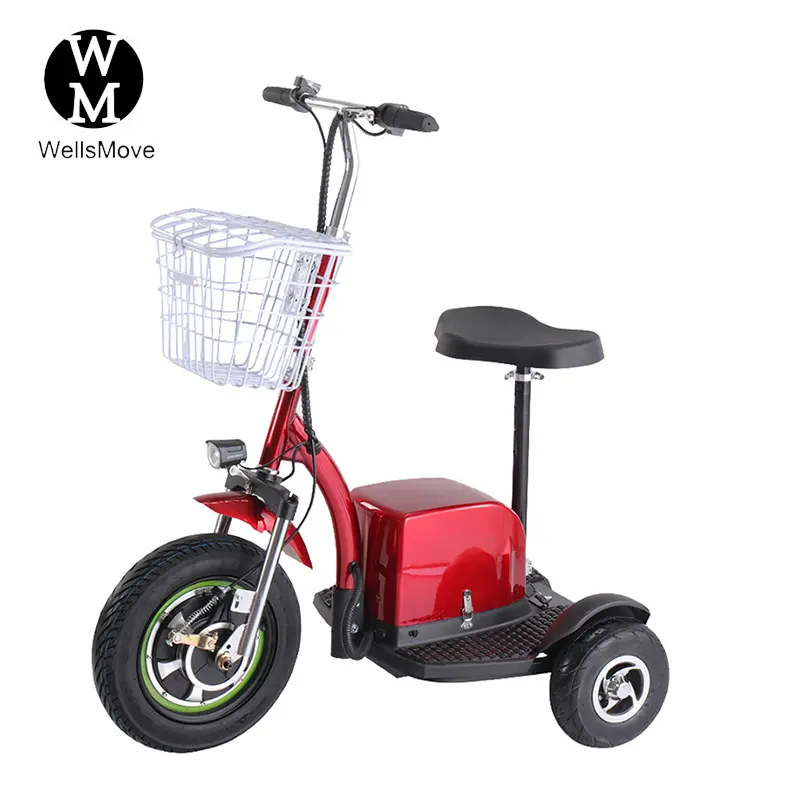
Understanding True Landed Cost for Mobility Scooter Imports
Many purchasing teams rely exclusively on supplier quoted per‑unit prices to forecast budgets. This simplified approach does not reflect the real amount of capital you spend to get a mobility scooter onto your warehouse shelves. This final figure is widely known as landed cost, and it forms the baseline for your wholesale and retail price setting.
Per‑Unit Landed Cost = (Total product invoice value + international freight + cargo insurance + customs duties & import tax + port handling fees + inland transport + brokerage & inspection fees) ÷ total units in shipment
Common mistakes happen when buyers treat FOB price as their final cost. Battery‑powered mobility scooters are heavy, bulky regulated goods, and cross‑border movement adds many layers of expenditure that do not appear on the initial factory quotation. Even small percentage increases across multiple cost categories can significantly lower your expected return on each unit sold.
A clear understanding of landed cost also helps you compare quotes fairly between different manufacturers. Two suppliers can offer similar unit prices, yet one may create higher downstream costs through incomplete documentation, poor packaging, or battery configurations that trigger expensive dangerous‑goods shipping surcharges.
Compliance and Certification Hidden Expenses
Compliance costs are among the most frequently underestimated line items for mobility scooter importers. Regional safety, electrical and battery rules continue to tighten around the world. Certification expenses are not always included within standard bulk pricing, especially for buyers ordering custom configurations or entering new geographic markets.
- Battery testing and documentation fees Most mobility scooters run on lithium‑ion or sealed lead‑acid batteries. Lithium‑ion units fall under dangerous‑goods transport regulations. UN38.3 test summaries, safety data sheets (SDS), and dangerous‑goods shipping declarations are mandatory for sea and air movement. If your supplier cannot provide complete valid documentation, you will face detention fees, fines, or even cargo rejection at the port of entry. Third‑party re‑testing to meet local requirements creates unexpected out‑of‑pocket costs for importers.
- Regional market certification charges Different territories enforce distinct standards: EU markets require CE marking complying with EN 12184; North America demands electrical safety approvals; Australia requires RCM compliance; Canada enforces mandatory bilingual packaging and user manuals. Some manufacturers supply base certification files, while additional local third‑party laboratory testing will fall to the importer if products need modification to satisfy local rules.
- Labeling, manual translation and regulatory adjustment costs Generic user guides, warning stickers and nameplates produced for the factory home market will often not satisfy import‑country regulations. Translating technical documents, re‑printing compliant warning labels, or modifying nameplate markings to meet local legal standards creates extra spend that is rarely discussed during early price negotiation.
Failure to budget for compliance will not only generate direct fees; non‑conforming shipments can be held for weeks, producing cascading secondary costs such as port storage, missed sales windows, and lost revenue.
Overlooked International Logistics and Shipping Fees
Freight quotes can appear straightforward, but mobility scooters bring many add‑on logistics charges buyers frequently miss when comparing rates. These extra costs vary depending whether you select full‑container‑load (FCL), less‑than‑container‑load (LCL), or air freight for trial stock or urgent restocks.
- Dangerous goods surcharges: Lithium‑equipped scooters attract special handling fees from shipping lines and airlines. These fees apply for specialized packaging, handling paperwork and hazard mitigation, and can add substantial cost per container shipment.
- Oversize and heavy‑item fees: Heavy‑duty dual‑seater trikes and large four‑wheel mobility scooters exceed standard dimension limits, triggering over‑size surcharges that compact portable models avoid.
- Export packaging and crating upgrades: Basic carton packaging is normally included, but fumigated wooden crating for high‑value premium units adds per‑unit expense for long‑haul sea transit. Poor‑quality packaging increases risk of in‑transit damage, which creates repair or write‑off costs for the importer when cargo arrives damaged.
- Peak‑season and fuel adjustment surcharges: Ocean freight base rates fluctuate month‑to‑month. Carriers regularly apply peak‑season surcharges during high‑demand quarters, and fuel price adjustments can increase your final freight bill well above the initial quote you received months before vessel loading.
- Cargo insurance gaps: Some buyers skip cargo insurance to cut short‑term spending. Without adequate cover, you absorb the full financial loss for units damaged, lost or stolen on the ocean. Insurance is calculated as a small percentage of combined goods plus freight value and should always form part of your import budget.
Customs Clearance, Duties and Local Port‑Related Charges
Duty and tax rates vary significantly from country to country, but many hidden port and brokerage costs appear regardless of your destination market. Mis‑classification of mobility scooters under the wrong harmonized system (HS) code is a major risk. Incorrect coding can lead to retrospective duty reassessments, financial penalties, or goods being detained at the portCole.
- Customs broker service fees: Professional brokers manage declaration paperwork, communicate with local authorities and resolve documentation queries. Cutting corners by using low‑cost or inexperienced brokers frequently creates costly delays.
- Demurrage and detention fees: Every port offers limited free storage windows for containers. If documentation issues slow clearance, containers remain at terminal beyond free time. Demurrage and detention charges build up day‑by‑day and can become very expensive for full container shipments. These fees are entirely avoidable with proper advance document preparation, yet they remain one of the most common unexpected import costs for new buyersCole.
- Import VAT, sales tax and special tariffs: Import tax applies on top of product value plus freight plus duties in most regions. Many first‑time importers calculate duty but overlook VAT or national sales tax when building per‑unit cost projections. Certain territories also apply anti‑dumping or special import levies for electric mobility equipment.
- Inspection and administrative fees: Local customs authorities may select your shipment for random physical inspection. Associated inspection and handling charges are the responsibility of the importer.
Post‑Arrival Inventory, Storage and Inland Delivery Costs
Costs continue accumulating after your shipment clears the entry port. These downstream expenses reduce your available margin and tie‑up working capital.
- Port‑to‑warehouse inland transport: Moving full or partial containers from seaport or airport to your domestic warehouse creates trucking expenses. For importers operating multiple regional warehouses, cross‑country distribution further adds to landed cost.
- Warehousing and inventory holding costs: Mobility scooters occupy significant floor space. If you over‑order slow‑selling variants, you pay ongoing monthly storage fees while capital sits tied‑up in idle inventory. Seasonal demand swings make this risk higher: over‑stocking ahead of peak sales periods can leave you carrying large inventory through quiet months.
- Cost of stock‑outs: While less tangible, stock‑out represents a hidden financial risk. Under‑ordering popular models results in lost retail sales, cancelled rental reservations and harm to customer loyalty. Rushing emergency small‑batch air shipments to refill empty inventory creates extremely high freight costs per unit.
After‑Sales, Spare‑Parts and Warranty‑Related Financial Burdens
Wholesale mobility scooter buyers frequently underestimate the ongoing financial burden of after‑sales support. Factory warranty terms often cover manufacturing defects, yet many real‑world support costs land on the importing distributor.
- Spare‑part stocking costs: End‑users require replacement tires, batteries, controllers, seats and lighting components over the product lifecycle. If you do not maintain local spare‑part stock, you face slow turnaround for customer repairs and risk losing retail customers. Keeping spare‑parts inventory requires capital and warehouse space.
- In‑country warranty labour costs: Most overseas manufacturers cover component replacement, but they do not fund local diagnostic and repair labour performed by your retail or service teams. Repair‑related labour adds real operational expense for every warranty claim.
- Product return and replacement logistics: When defective units must be swapped, return freight, testing and disposal costs typically rest with the importer, unless your purchasing contract explicitly defines supplier responsibility for these scenarios.
Customization, Sampling and Pre‑Shipment Unexpected Charges
Branding and product modification requests generate costs many buyers do not anticipate at project start.
- Sample and pre‑production unit expenses: Testing samples incur manufacturing and freight fees. For customized mobility scooters, pre‑production sample iteration cycles add cost and timeline delays before mass production can begin.
- Tooling and one‑time mould charges: Custom body panels, exclusive colourways or bespoke frame geometry often require one‑off mould and tooling fees. These costs can be substantial and are separate from per‑unit product pricing, especially on smaller‑volume orders.
- Logo printing and custom packaging fees: While many factories offer OEM logo services, screen‑printing or decal setup charges apply for new custom branding runs. Custom retail packaging also adds one‑time setup plus per‑unit material costs.
- Third‑party pre‑shipment inspection: Many buyers choose independent third‑party quality inspection before container loading. While this expense reduces risk of receiving defective batches, it represents another line‑item to include in your project budget.
Practical Tips to Identify and Reduce Hidden Import Costs
Understanding these potential hidden charges enables you to take concrete steps to protect your profit margin:
- Request full cost breakdowns, not only unit price. When requesting quotations from suppliers, explicitly ask them to list certification, packaging, customisation and document‑related fees separately. Confirm what documentation will be supplied for battery and regulatory compliance before you place an order.
- Calculate complete landed cost for every model before setting retail pricing. Build a spreadsheet template including freight, tax, port charges, estimated warranty overhead and inventory holding cost for each mobility‑scooter variant.
- Select experienced freight forwarders familiar with battery‑powered mobility equipment. Forwarders who regularly handle mobility‑scooter shipments understand dangerous‑goods requirements and help you avoid unexpected surcharges and documentation mistakes.
- Clarify warranty, spare‑parts and return terms in written purchase contracts. Define who covers repair labour, component shipping, and defective‑unit resolution before production commences.
- Plan lead times generously. Rushing orders increases risk of premium freight charges, incomplete documentation and last‑minute compliance errors. Build buffer time for testing, certification and port clearance into your project timeline.
- Optimise your order mix. Mixed‑model container loading allows you to diversify product range without committing to excessive volume of a single model, lowering inventory holding risk.
Frequently Asked Questions
Q: What is the biggest hidden cost for first‑time mobility‑scooter importers? A: Compliance‑related expenses combined with dangerous‑goods shipping surcharges create the largest unexpected spend for new buyers. Missing required battery test documentation can trigger detention fees far larger than the value of individual units within a container shipment.
Q: Can I avoid demurrage and detention port fees entirely? A: In most cases yes. Submit all required customs documentation well in advance of cargo arrival at destination port. Work with knowledgeable local customs brokers and double‑check HS classification, certificates of origin and compliance paperwork before vessel arrival.
Q: How much extra budget should I reserve for hidden import costs? A: Most experienced wholesale buyers set aside 12%‑20% above base FOB product cost to cover the full range of logistics, compliance, port and post‑arrival expenses. This percentage will shift depending on battery type, shipment size and destination‑country regulatory requirements.
Q: Are lithium‑battery mobility scooters always more expensive to import than lead‑acid versions? A: Lithium‑ion batteries create higher per‑unit factory cost and strict dangerous‑goods shipping rules. However, lower unit weight reduces freight spend, longer working life cuts down on warranty and spare‑part expenses across the product lifecycle, creating offsetting long‑term financial benefits for distributors.
Conclusion
Importing mobility scooters opens profitable opportunities for distributors, retailers, rental fleet operators and healthcare procurement buyers across global markets. Yet profitability depends on looking well past simple per‑unit factory pricing.
Hidden import costs stem from compliance requirements, specialised battery logistics, port‑side administration, domestic warehousing, after‑sales support and custom‑project setup work. Many of these expenses are avoidable, or can be predicted and budgeted for with careful advance planning.
Calculating full landed cost for every product line, verifying all compliance documentation early, negotiating clear contractual terms with suppliers, and working with specialist logistics partners will help you mitigate risk, protect profit margins and build a stable, scalable mobility‑scooter wholesale business.
Post time: Aug-26-2026