

Heavy Duty Mobility Scooters Buying Guide: Complete Reference for Distributors & Fleet Operators
Table of Contents
- Understanding Heavy Duty Mobility Scooter Basics
- Core Technical Specs to Evaluate Before Bulk Ordering
- Frame & Build Quality Comparison: Steel vs Aluminum Structures
- Motor & Climbing Capacity Matching Different Market Demands
- Battery Types, Range & Cost Efficiency for Wholesale Inventory
- Comfort & Safety Features That Boost Retail Conversion Rates
- Terrain Adaptation: Urban, Off-Road & Dual-Purpose Heavy Duty Models
- Compliance Certifications Required for Global Market Distribution
- Logistics, MOQ & Shipping Cost Optimization for Bulk Buyers
- Customization Options to Differentiate Your Product Line
- Frequently Asked Questions From Wholesale Mobility Scooter Buyers
- Conclusion
- Related Industry Guides
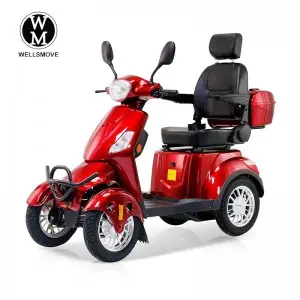
Understanding Heavy Duty Mobility Scooter Basics
Mobility products have become a staple category for medical retailers, rental fleet businesses, healthcare institutions and outdoor tourism operators worldwide. Heavy duty mobility scooters stand apart from lightweight portable models with reinforced construction, higher weight load limits and robust power systems built for extended daily use.
Unlike compact folding scooters designed for short indoor trips, heavy duty variants cater to three core end-user groups: larger adults requiring high weight capacity, seniors who regularly travel uneven outdoor terrain, and long-duration riders seeking all-day comfort. For B2B buyers, selecting the correct heavy duty lineup directly impacts inventory turnover, customer return rates and long-term profit margins.
Many distributors overlook critical technical and compliance details when sourcing heavy duty scooters, leading to costly post-delivery issues including failed local certification, weak hill-climbing performance, frequent component breakdowns and negative end-user feedback. This guide breaks down every evaluation factor from technical hardware to supply chain logistics, tailored to the decision-making workflow of wholesale buyers, fleet managers and retail brand operators.
Core Technical Specs to Evaluate Before Bulk Ordering
Every heavy duty scooter model relies on five non-negotiable core specifications that determine market suitability. Below is a comparative breakdown of standard vs premium heavy duty configurations for quick buyer reference:
| Specification | Entry-Level Heavy Duty Model | Mid-Tier All-Terrain Model | Premium Commercial Fleet Model |
|---|---|---|---|
| Max Weight Capacity | 300 lbs (136kg) | 400 lbs (181kg) | 500–600 lbs (227–272kg) |
| Standard Motor Wattage | 500W Brushless | 600–800W Brushless | 1000W High-Torque Brushless |
| Rated Climbing Angle | 15° | 20–25° | 30° |
| Default Battery | 48V 12Ah Lead-Acid | 48V 20Ah Lead-Acid/LiFePO4 | 48V 30Ah LiFePO4 |
| Single-Charge Range | 12–16 miles | 20–28 miles | 30–36 miles |
| Wheel Layout | 3-Wheel Basic | 4-Wheel Suspension | 4-Wheel Full Shock Absorption |
Key Spec Evaluation Tips for Buyers
- Match weight capacity to regional demographic demands: North American markets prioritize 450lbs+ load limits, while European retail lines commonly stock 350–400lbs base models.
- Cross-reference motor wattage with local terrain: Mountainous regions require 800W+ motors to avoid uphill power loss, while flat urban zones function reliably with 500W units.
- Calculate range against target customer use cases: Rental fleets and tourism operators demand maximum battery mileage to reduce daily recharging downtime.
Frame & Build Quality Comparison: Steel vs Aluminum Structures
The vehicle frame forms the structural foundation of all heavy duty mobility scooters, directly impacting service lifespan, shipping weight and long-term maintenance costs. Two primary frame materials dominate manufacturing, each with distinct pros and cons for wholesale buyers.
Carbon Steel Frames
Standard entry heavy duty scooters utilize thick-gauge carbon steel frames for lower upfront production costs.
- Advantages: Lower unit pricing for small-budget retail lines, accessible raw material supply for mass production
- Disadvantages: Higher overall vehicle weight, prone to surface rust in humid coastal climates, increased sea freight weight costs, limited long-term durability under constant heavy loads
Aviation-Grade Aluminum Alloy Frames
Mid-to-premium heavy duty models adopt welded aluminum alloy frames engineered for mobility equipment.
- Advantages: 20% lighter weight than equivalent steel frames, natural corrosion resistance, higher tensile strength for heavy weight loads, reduced shipping weight charges
- Disadvantages: Slightly higher ex-factory unit cost, requires specialized welding production lines limiting low-volume trial orders
Buyer Decision Guidance
For distributors targeting coastal, humid markets or commercial rental fleets, aluminum frame variants deliver superior long-term ROI by cutting warranty repair claims from rust damage. Budget-focused retail lines serving inland urban areas can balance cost with steel frame inventory paired with upgraded anti-corrosion coating options.
Motor & Climbing Capacity Matching Different Market Demands
Motor performance is the most frequently cited pain point from end-users of substandard heavy duty scooters. Low-torque motors struggle on steep driveways, gravel paths and uneven park terrain, generating high product return rates for retailers.
Motor Type Breakdown
-
Brushless DC Motors (Industry Standard for Heavy Duty Lines)
Brushless motors eliminate wear-prone carbon brushes, cutting maintenance frequency by over 60% compared to brushed alternatives. They deliver consistent torque output during uphill travel and operate with quieter running noise, a critical selling point for residential end-users. All modern heavy duty scooter production lines prioritize brushless motor configurations.
-
Brushed DC Motors (Limited to Low-Cost Entry Models)
Brushed motors carry lower manufacturing costs but require regular brush replacement. These are only recommended for flat-terrain urban markets with zero hills or uneven pathway exposure.
Climbing Angle Market Matching
- 10–15° Climb Rating: Flat city sidewalks, shopping mall indoor use, senior apartment complexes
- 20–25° Climb Rating: Suburban neighborhoods, park trails, mild rolling hills (best-selling universal heavy duty spec)
- 30° Max Climb Rating: Mountain towns, rural gravel roads, commercial tourism rental fleets
When negotiating bulk orders, request manufacturer torque test documentation to verify advertised climbing performance, as many budget suppliers overstate gradient capacity without third-party validation.
Battery Types, Range & Cost Efficiency for Wholesale Inventory
Battery selection creates the largest variable cost gap between heavy duty scooter models and dictates end-user operating expenses, a key sales talking point for retail partners. Three battery formats are widely available for bulk procurement.
Lead-Acid Batteries
The most cost-effective entry-level battery solution, standard on base heavy duty trike models.
- Pros: Lowest ex-factory cost, simple replacement parts supply chain
- Cons: Heavy weight, shorter cycle lifespan (300–400 full charges), slow charging speeds, poor cold-temperature performance
- Best For: Short-term retail inventory, low-frequency user groups, price-sensitive regional markets
Lithium Iron Phosphate (LiFePO4) Batteries
Premium commercial-grade battery for high-end heavy duty mobility scooters, the preferred option for global medical equipment distributors.
- Pros: 60% lighter than lead-acid equivalents, 1200+ charge cycles, fast charging, stable performance in extreme hot/cold weather, removable for separate charging
- Cons: Higher upfront unit cost
- Best For: Rental fleets, healthcare facility bulk orders, premium retail lines targeting high-income end-users
Lithium Ion Batteries
Compact lightweight lithium packs featured on hybrid heavy duty scooters balancing portability and load capacity.
- Pros: Ultra-light weight, fast full charging
- Cons: Narrower safe operating temperature range, shorter overall cycle life than LiFePO4
- Best For: Dual-purpose scooters marketed for both heavy load capacity and occasional vehicle transport
Wholesale Inventory Tip
Offer mixed battery options within your product lineup to capture all customer budget tiers. Bundle spare replacement batteries for bulk fleet orders to increase average order value and create recurring after-sales revenue streams.
Comfort & Safety Features That Boost Retail Conversion Rates
Retail partners prioritize heavy duty scooters equipped with market-proven comfort and safety add-ons, as these features drastically reduce customer hesitation at point-of-sale. Below are high-conversion standard and optional add-ons to specify during OEM/ODM negotiations:
Mandatory Safety Features (Global Market Compliance)
- Electromagnetic auto-braking system: Instant power cut and lock when releasing the throttle, prevents rollaway on inclines
- Anti-tip rear stabilizer wheels: Eliminates tipping risk during sharp turns under maximum weight load
- Full LED lighting package: Headlights, turn signal indicators, rear brake tail lights for low-light outdoor travel
- Adjustable safety lap belt and padded armrest barriers
- Digital dashboard speed lock to restrict maximum travel speed for senior safety
High-Margin Comfort Upgrades for Custom Orders
- Rotatable, wide-width padded leather seats with adjustable headrests
- Four-corner independent suspension shock absorbers for bumpy terrain
- Large front storage baskets and lockable rear cargo trunks
- Height-adjustable handlebars with ergonomic rubber grips
- USB charging ports for mobile device power supply
Distributors report 30% higher retail sell-through rates on heavy duty models bundled with complete comfort and safety upgrade packages, justifying the small incremental per-unit manufacturing cost.
Terrain Adaptation: Urban, Off-Road & Dual-Purpose Heavy Duty Models
Heavy duty scooters fall into three distinct terrain categories, each aligned with separate customer verticals. Segmenting your inventory by terrain capability prevents mismatched product recommendations for retail clients.
Urban Heavy Duty Scooters
Designed exclusively for paved sidewalks, shopping centers and smooth residential driveways. Equipped with narrow solid tires, compact turning radius and moderate suspension. Ideal for local senior retail stores and assisted living facility bulk purchases.
All-Terrain Off-Road Heavy Duty Scooters
Built with thick pneumatic all-terrain tires, full four-wheel suspension and elevated ground clearance (12cm+). Capable of grass, gravel, compact dirt paths and mild sand surfaces. Top sellers for outdoor tourism rental fleets, rural healthcare suppliers and national outdoor equipment retail chains.
Dual-Purpose Hybrid Heavy Duty Scooters
Balanced design merging urban maneuverability with light off-road performance, the most versatile stock option for general mobility retailers. These models strike a middle ground in tire size, suspension travel and ground clearance to serve the broadest cross-section of end-users.
Compliance Certifications Required for Global Market Distribution
Regulatory non-compliance is one of the costliest risks for bulk mobility scooter buyers. Every target territory enforces mandatory product certifications that must be verified before container shipping to avoid port detention and customs seizure.
European Market Mandatory Certifications
CE (LVD, EMC, MD Medical Device Directive), RoHS hazardous material compliance, UKCA marking for United Kingdom distribution. Medical-grade heavy duty scooters sold to EU healthcare facilities require additional ISO 13485 manufacturing certification documentation.
North American Market Mandatory Certifications
FDA registration for medical mobility devices, FCC electromagnetic interference compliance, UL battery safety testing. Many U.S. retail chains also require ISO 9001 factory quality management system validation from suppliers.
Southeast Asia & Australian Markets
Australia demands RCM electrical safety certification; Southeast Asian territories such as Malaysia and Singapore require local electrical product testing reports alongside core CE documentation.
When sourcing from manufacturers, request full certification test reports for each heavy duty model line before placing large MOQ orders, and confirm the supplier can provide updated documentation for annual regulatory audits.
Logistics, MOQ & Shipping Cost Optimization for Bulk Buyers
Land cost, cash flow planning and inventory turnover are core priorities for B2B buyers sourcing heavy duty mobility scooters, given the product’s large physical footprint and variable weight.
Minimum Order Quantity (MOQ) Breakdown
- Standard pre-designed heavy duty models: Low MOQ 10–20 units for trial retail inventory
- Fully customized OEM/ODM color, branding and spec variants: MOQ 50–100 units per container
- Full 40HQ container bulk fleet orders: 60–75 heavy duty scooters per standard high cube container, offering the lowest per-unit sea freight expense
Sea vs Air Freight Cost Comparison
Sea freight remains the dominant shipping method for bulk heavy duty scooter orders, with air freight reserved only for emergency small restock orders. Sea freight delivers 70–85% lower landed cost per unit, though extended transit times increase inventory holding periods.
Key logistics optimization tactics for buyers:
- Select aluminum frame models to cut total container weight and reduce ocean freight surcharges
- Request knock-down (KD) packaging from manufacturers to maximize container loading quantity
- Consolidate heavy duty scooter orders with lightweight portable mobility models to balance container weight limits
Customization Options to Differentiate Your Product Line
Branded customization allows distributors to build exclusive product lines that avoid direct price competition with generic wholesale mobility scooter suppliers. Common feasible customizations for heavy duty scooters include:
- Custom body shell color matching brand Pantone codes (minimum order size dependent)
- Private label logo printing on seat backs, front baskets and rear storage trunks
- Spec modification: Upgrade motor wattage, swap battery formats, add premium suspension kits
- Custom retail packaging with branded instruction manuals and warranty cards
- Accessory bundle customization: Add rain covers, spare tires, cup holders as standard equipment
Most manufacturers offer free design mock-ups for custom orders, allowing buyers to visualize finished product branding before mass production begins.
Frequently Asked Questions From Wholesale Mobility Scooter Buyers
What weight capacity qualifies a scooter as heavy duty?
Industry-wide standard classification defines heavy duty mobility scooters as models supporting a minimum 300 lbs user weight capacity. Models rated 450 lbs and above fall into the premium heavy-duty commercial category.
Are 3-wheel or 4-wheel heavy duty scooters more popular for retail sales?
Four-wheel heavy duty scooters account for approximately 75% of global retail sales due to superior stability under heavy loads and on uneven terrain. Three-wheel variants remain popular for compact urban spaces requiring tight turning radius.
How long is the standard factory warranty for bulk heavy duty scooter orders?
Standard base warranty coverage is 1 year for all electrical components (motor, controller, wiring) and 2 years for frame structural defects. Premium OEM orders can negotiate extended 2-year electrical warranties for fleet clients.
Can I mix multiple heavy duty models within a single shipping container?
Most manufacturers permit mixed-model container loading as long as the total unit count meets the minimum container order threshold, making it simple for distributors to stock multiple terrain and capacity variants in one shipment.
Do heavy duty scooters require separate import permits?
Permit requirements vary by country. Medical-classified mobility scooters often require additional import medical device permits, while general consumer heavy duty scooters only demand standard electrical safety certification paperwork. Consult local customs brokers before placing large orders to avoid delays.
Conclusion
Sourcing profitable heavy duty mobility scooter inventory relies on balancing technical performance, market compliance, logistics cost and end-user demand alignment. Distributors, fleet operators and healthcare institutional buyers who systematically evaluate frame construction, motor torque, battery performance, safety features and regional certification requirements reduce post-delivery risks and maximize retail conversion rates.
Post time: Jul-27-2026