

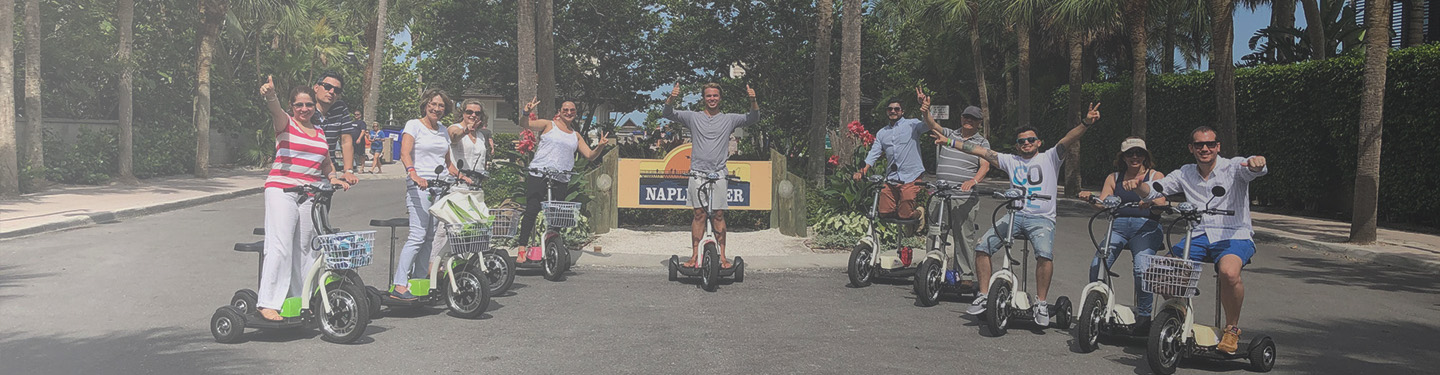
Best Mobility Scooters for Outdoor Use
Table of Contents
- Understanding Outdoor Mobility Scooter Basics
- Key Features to Evaluate for Outdoor Riding
- Exploring Top Outdoor Mobility Scooter Categories
- Terrain Compatibility Breakdown: Pavement, Grass, Gravel & Trails
- Battery & Range Optimization for Long Outdoor Trips
- Frame & Build Quality: Steel vs Aluminum for Outdoor Durability
- Buying Guide for Wholesale Distributors & Institutional Buyers
- Advanced Safety & Comfort Upgrades for All-Day Outdoor Use
- FAQ for Bulk Buyers & End-User Retail Support
- Conclusion
- Related Posts
Understanding Outdoor Mobility Scooter Basics


Key Features to Evaluate for Outdoor Riding
| Feature Category | Minimum Standard for Light Outdoor Use | Ideal Spec for Full All-Terrain Performance | Real-World Outdoor Impact |
|---|---|---|---|
| Motor Power | 500W Brushless | 600W–1000W Brushless | Higher wattage maintains speed on 15°+ slopes; avoids motor overheating on rough ground |
| Ground Clearance | 3.5 Inches | 5–6 Inches | Prevents frame scraping over curbs, tree roots, uneven gravel paths |
| Tire Configuration | 8” Pneumatic Tires | 10–14” Wide All-Terrain Tread | Reduces slip on wet grass, packed dirt, loose stone surfaces |
| Suspension | Front Single Shock | Full Front & Rear Dual Suspension | Minimizes spine vibration during multi-mile trail rides; cuts long-term seat wear |
| Climbing Capacity | 15 Degree Max Incline | 25–30 Degree Max Incline | Handles neighborhood ramps, park hills, sloped parking lots |
| Weight Capacity | 300 LBS | 400–500 LBS | Extra load buffer accounts for riders, groceries, outdoor gear, and seasonal clothing |
| Rated Single-Charge Range | 12 Miles | 20–40 Miles | Outdoor terrain drains batteries 30–40% faster than flat pavement; extra range eliminates range anxiety |
| Frame Material | Light Gauge Steel | Reinforced Steel-Aluminum Composite | Resists corrosion from rain, snow, and roadside debris; withstands repeated curb impact |
Critical Note for Buyers
Exploring Top Outdoor Mobility Scooter Categories
1. Portable Lite Outdoor Mobility Scooters


- Core strengths: Quick one-step folding, disassembles into lightweight segments for car transport, compact footprint for elevator access
- Best suited for: Paved park paths, smooth residential pavement, flat boardwalks, light gravel
- Limitations: Reduced ground clearance, smaller battery packs, limited climbing ability for steep hills
- Wholesale use case: High-volume retail entry-level SKUs, tourist resort short-term rental fleets, assisted living facility guest stock
2. Standard Personal Outdoor Trikes & 4-Wheel Scooters

- Core strengths: Balanced battery range, padded captain seating, integrated front/rear storage baskets, standard LED headlight and taillight safety packages
- Best suited for: Grocery runs, neighborhood walks, botanical garden trails, low-grade park inclines
- Wholesale use case: Primary retail inventory for medical supply stores, local mobility dealers, municipal park rental programs
3. Heavy-Duty All-Terrain Outdoor Tricycles


- Core strengths: 600W–1000W high-torque motors, 30° maximum climbing angle, reinforced composite frames, extended-capacity 48V 20Ah batteries, dual shock full suspension
- Best suited for: Rural dirt trails, steep mountain park paths, multi-person outdoor outings, all-day commercial patrol shifts
- Wholesale use case: High-margin premium retail SKUs, institutional bulk orders for retirement villages, resort long-term rental fleets, municipal facility procurement
Terrain Compatibility Breakdown: Pavement, Grass, Gravel & Trails
- Paved Sidewalks & Urban Streets
All three scooter categories perform reliably here. Key customer priorities: quiet motor operation, storage capacity for shopping bags, low-profile design for curb navigation. Entry-level portable models meet 90% of this market’s needs.
- Short-Cut Grass & Park Lawns
Requires pneumatic wide tires and minimum 4-inch ground clearance. Thin solid plastic tires on cheap portable scooters sink and stall on soft grass—only standard and heavy-duty lines should be marketed for lawn access.
- Gravel, Crushed Stone & Packed Dirt Trails
Vibration resistance becomes critical. Full suspension systems eliminate uncomfortable bouncing, while deep-tread tires prevent slipping on loose stones. Heavy-duty trikes are the top seller for customers living near forest or nature reserves.
- Steep Slopes & Hilly Rural Terrain
Non-negotiable specs: 600W+ motor, electronic hill-hold braking, wide wheelbase anti-tip frame design. Portable lite models cannot safely manage sustained steep inclines and should never be recommended for hilly regions.
- Wet, Muddy or Slightly Snowy Paths
Corrosion-resistant steel-aluminum frames and sealed battery compartments are mandatory. Budget all-steel frames rust rapidly with repeated moisture exposure, creating costly warranty claims for distributors.
Battery & Range Optimization for Long Outdoor Trips
Battery Configuration Options
- 48V 12Ah Lithium Battery: Standard fit for portable lite models, delivers 10–15 miles flat pavement range; real outdoor mixed-terrain range drops to 7–10 miles. Best for short, casual neighborhood trips.
- 48V 20Ah Lithium Battery: Standard for mid-range personal outdoor scooters, 18–25 mile flat range; 13–18 miles real outdoor range. The most balanced option for daily all-day outdoor use.
- Extended 48V High-Capacity Battery Packs: Exclusive to heavy-duty trikes, delivers 30+ miles of consistent outdoor travel for all-day excursions and commercial patrol work.
Wholesale Buyer Battery Tips
- Prioritize lithium-ion over lead-acid batteries for outdoor inventory. Lithium packs weigh 50% less, hold charge longer in cold weather, and have a 3–5 year service life vs. 1–2 years for lead-acid, cutting post-sale service costs.
- Confirm all bulk-order batteries include complete UN38.3 test reports and MSDS documentation. These are mandatory for sea and air freight shipping to all EU, North American, and Australian markets.
- Offer optional spare battery add-ons as an upsell for retail customers focused on long outdoor trail trips—this boosts average order value without significant inventory overhead.
Frame & Build Quality: Steel vs Aluminum for Outdoor Durability
- Pure Low-Gauge Steel Frames (Entry-Level Portable Units)
Affordable production cost, but prone to surface rust after repeated outdoor moisture exposure. Best reserved for customers who only use scooters occasionally under covered conditions. Distributors stocking these should include anti-rust maintenance guides in retail packaging to reduce warranty inquiries.
- Steel-Aluminum Composite Frames (Mid & Heavy-Duty Outdoor Lines)
Industry-leading balance of strength and lightweight design, the standard for serious outdoor mobility equipment. The aluminum alloy upper frame cuts total vehicle weight while thick reinforced steel lower chassis absorbs curb and trail impact. The composite structure resists rain and snow corrosion far better than uncoated pure steel, lowering long-term return rates for wholesale partners.
- Full Aircraft-Grade Aluminum Frames (Premium Custom Models)
Ultra-lightweight, fully corrosion-proof, ideal for coastal humid markets with constant salt air exposure. Higher per-unit cost, positioned as a premium upsell for high-income retail customers and luxury resort rental fleets.
Buying Guide for Wholesale Distributors & Institutional Buyers
1. Minimum Order Quantity (MOQ) & Mixed Container Flexibility
Customized orders (brand logo printing, custom frame color matching, modified battery specs) require adjusted higher MOQs based on mold and production setup fees. Sample units for retail showroom testing can be ordered in small quantities for pre-shipment quality validation.
2. Sea Freight vs Air Freight for Outdoor Mobility Scooters
- Sea Freight
Per-unit freight cost is drastically lower, ideal for seasonal bulk inventory restocks with 25–45 day transit windows. Bulk battery packaging protocols are more flexible for full container loads, and damage risk is minimal with factory palletized export packaging.
- Air Freight
3–5x higher per-unit shipping expense, restricted to small urgent restock batches or pre-launch showroom samples. Strict UN-certified battery packaging and documentation rules increase administrative prep time for buyers.
3. Global Compliance & Certification Checklist
- EU Market: CE certification, battery UN38.3, ISO 9001 factory audit reports
- North American Market: FCC electrical compliance, local mobility equipment safety testing summaries
- Australia & New Zealand: RCM electrical certification, hazardous goods battery transport paperwork
Full compliance documentation eliminates costly customs detention and product seizure at destination ports, a major pain point for first-time mobility equipment importers.
4. Pricing & Negotiation Levers
- Order volume: Larger FCL shipments unlock tiered per-unit discounts of 5–15%
- Standard vs custom configuration: Off-the-shelf color and hardware options avoid OEM modification surcharges
- Payment terms: Long-term recurring bulk buyers often qualify for flexible T/T deposit ratios or L/C trade agreements
- Spare parts bundling: Add discounted spare tire, brake, and battery component packs with primary orders to reduce local retail repair sourcing costs
Advanced Safety & Comfort Upgrades for All-Day Outdoor Use
- Full Suspension Shock Absorption Kits: Eliminates harsh trail vibration, a top requested add-on for customers using scooters for park and nature trail travel
- Adjustable Captain Seating with Swivel Base: Easier entry/exit for users with joint mobility limitations; adjustable lumbar padding reduces back strain on long outdoor trips
- Complete Outdoor Lighting Packages: LED high/low headlights, side marker turn signals, rear brake taillights for low-light evening neighborhood rides
- Weather Accessory Bundles: Waterproof scooter storage covers, rain shield wind deflectors, insulated battery compartment wraps for cold-climate markets
- Anti-Tip Stabilizer Wheel Attachments: Extra lateral balance for customers frequently traversing uneven grass and sloped terrain
- Multi-Point Storage Add-Ons: Rear lockable cargo trunk, expandable front mesh basket, under-seat hidden storage for outdoor gear and personal belongings
FAQ for Bulk Buyers & End-User Retail Support
What is the biggest mistake new mobility scooter importers make when sourcing outdoor models?
Can outdoor mobility scooters be used year-round in cold or rainy climates?
How long do outdoor mobility scooter frames and batteries last under regular heavy use?
Are dual-passenger heavy-duty trikes popular for wholesale rental fleets?
What documentation do I need to clear customs when importing bulk outdoor scooters?
Conclusion
Related Posts


Mobility Scooter Shipping Cost Guide (Sea vs Air Freight)
How to Get the Best Wholesale Price from Mobility Scooter Manufacturers
What is the MOQ for Mobility Scooters? Full Guide for Global Buyers
Post time: Aug-10-2026