

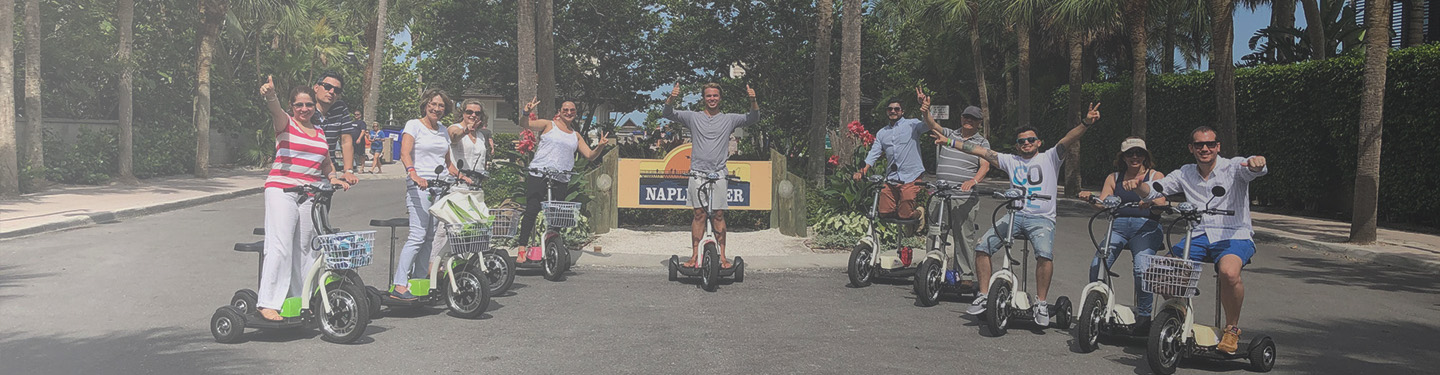
Which regions are most concentrated with electric mobility scooters for the elderly?
With the accelerating global aging process, “safe, convenient, and low-cost” electric mobility scooters for the elderly have become a core solution for short-distance travel among the senior population. Market demand has shown distinct concentration characteristics depending on the degree of aging, policy guidance, and travel habits in different regions. From deeply aging Europe and Asia, to North America with steadily growing demand, and then to emerging markets, the deployment of electric mobility scooters for the elderly is always deeply tied to regional population structure and social infrastructure, making it one of the most dynamic segments of the global silver economy.
Europe: A core area of ultra-aging, a policy-driven market of essential demand
Europe is the region with the most concentrated demand for electric mobility scooters for the elderly globally. This characteristic stems from its persistently high degree of aging and its comprehensive green and barrier-free travel policy system. According to the UN’s *World Population Prospects 2025*, 26.7% of Europe’s population is aged 65 and over. Europe occupies 9 of the top 10 spots in the world’s most aged countries, with Italy, Portugal, Finland, and Germany all having elderly populations exceeding 23%. This deep aging population has created a massive demand for short-distance travel.
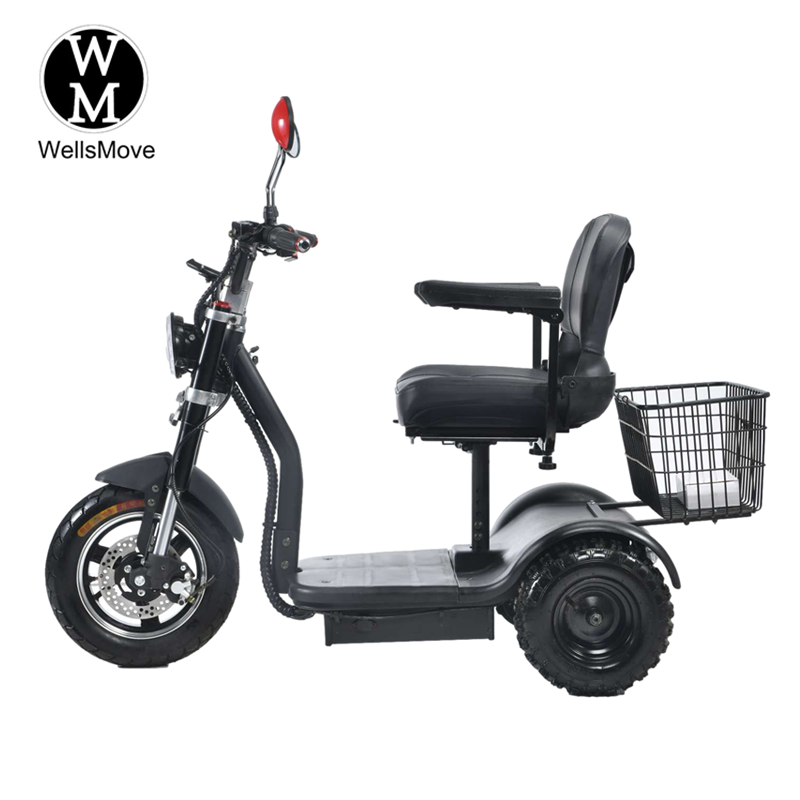
In Western Europe, Germany, France, and Sweden, with their high welfare systems, have become core consumer markets for high-end electric mobility scooters for the elderly. These countries not only have stringent requirements for the safety and environmental performance of these scooters but also reduce the purchase cost for seniors through policy subsidies. They have also improved urban accessibility facilities, planning dedicated lanes for mobility scooters from community roads to shopping malls and hospitals, enriching the usage scenarios for these scooters. In Southern Europe, countries like Italy, Spain, and Greece have a much higher aging population in rural areas than in cities. The relatively flat terrain makes electric tricycles the preferred mode of transportation for elderly people in rural areas, and their ability to carry goods and provide mobility perfectly suits local needs.
The Eastern and Northern European markets exhibit differentiated demand characteristics. Nordic countries like Finland and Norway prioritize the cold-weather resistance and anti-slip performance of electric mobility scooters, placing higher demands on battery range and cold-resistant materials. Meanwhile, Eastern European countries like Poland and Hungary are experiencing rapid growth in demand for cost-effective electric mobility scooters due to accelerating aging populations and rising economic levels, becoming a new growth point in the European market. Furthermore, the widespread implementation of green travel policies in European countries gives zero-emission electric mobility scooters a greater advantage in short-distance urban travel, further driving market demand.
North America: Steady Demand Growth, Mature Market Under Standardized Regulations
The North American market for electric mobility scooters for the elderly is centered in the United States and Canada. Although the aging population is not as pronounced as in Europe and Japan, the large elderly population and mature consumer concepts make it a significant global market. UN data shows that by 2025, the proportion of the North American population aged 65 and over will exceed 12%, and “safe and convenient short-distance travel” has become a core demand of the local senior population, a need perfectly met by electric mobility scooters.
The United States is the core of the North American market, with clear industry standards for low-speed electric mobility scooters. These standards stipulate a maximum speed of 32-40 km/h and require vehicles to meet stringent requirements for body strength and braking performance; only compliant models are legally allowed on the road. Demand for mobility scooters in the US is primarily concentrated in states with high elderly populations, such as Florida and California. These areas have warm climates, flat terrain, and well-established charging stations and dedicated lanes in places like golf courses, retirement communities, and shopping malls, creating a robust ecosystem for their use. Retirement communities and medical institutions in the US are also significant purchasers of mobility scooters for residents’ mobility within facilities and community outings, further driving market demand.
In Canada, market demand is concentrated in major cities like Toronto and Vancouver, as well as surrounding retirement towns. Due to the high-latitude climate, there are specific requirements for the cold-weather and anti-slip performance of mobility scooters. Furthermore, the vast and sparsely populated areas also place higher expectations on the vehicles’ range. Another key characteristic of the North American market is its mature consumer mindset. The elderly population places greater emphasis on the comfort and smart features of mobility scooters, such as ergonomically designed seats, one-button start/stop, and anti-rollover systems, all of which have become core selling points in the market.
Asia: Japan Leads the Way, Many Countries Experience Explosive Demand
Asia is the region with the fastest aging population globally, making it the fastest-growing market for electric mobility scooters for the elderly. Japan, with the highest degree of super-aging in the world, serves as a benchmark market in Asia and globally, while South Korea and Singapore follow closely behind, experiencing a surge in demand.
Japan has a population aged 65 and over of 29.3%, making it the country with the highest degree of aging in the world. Its penetration rate of welfare vehicles (including electric mobility scooters) is the highest globally, with 27 welfare vehicles per 1,000 elderly people. This achievement stems from Japan’s comprehensive policy support system: the Long-Term Care Insurance Law stipulates that disabled elderly people aged 65 and above can be reimbursed for 80% of the purchase cost of mobility scooters, and they can also enjoy high income tax deductions for purchasing such vehicles. These policy benefits directly stimulated the market demand. Furthermore, Japan’s design of mobility scooters adheres to the concept of “universal accessibility,” taking into account the needs of the elderly and people with mobility impairments. Lightweight vehicles, easy operation, and minimalist designs have become mainstream trends. Moreover, Japan has extremely high coverage of accessible facilities in cities and communities, with convenience stores, parking lots, and public transportation stations providing convenient access for mobility scooters, forming a complete user ecosystem.
South Korea, on the other hand, is a typical example of Asia’s accelerating aging population. By 2025, the proportion of its population aged 65 and over will reach 19.5%, just one step away from becoming super-aged. As the aging population deepens, the South Korean government has begun to increase investment in accessible travel, introducing policies to encourage the use of electric mobility scooters by the elderly, while also regulating the safety standards of imported mobility scooters, driving rapid growth in market demand. Singapore, as a developed country in Asia, has a relatively small population but a high degree of aging. Its highly sophisticated urban planning makes electric tricycles a popular choice for seniors for short-distance travel within their communities and shopping districts. Singapore also ranks among the top in Asia in terms of the intelligence and portability of its mobility scooters.
Emerging Markets: Accelerated Aging, Gradually Unleashing Potential
Besides the aforementioned mature markets, emerging markets in Southeast Asia and South America are becoming a blue ocean of potential demand for electric mobility scooters for the elderly, driven by accelerating aging populations and rising economic levels. These regions share the characteristics of rapid aging and incomplete public transportation systems covering counties and rural areas, making it difficult to meet the short-distance travel needs of the elderly. The low cost and ease of operation of electric mobility scooters perfectly match the local market demand.
In Southeast Asian countries such as Thailand, Malaysia, and Indonesia, the proportion of elderly people is increasing year by year. Their warm climates and predominantly plain terrain are suitable for the use of electric mobility scooters. In these countries, urban retirement communities and tourist attractions have become core usage scenarios for mobility scooters, serving not only local senior citizens but also providing rental services for elderly tourists, further expanding their application scenarios. In South American countries like Brazil and Argentina, with the advancement of urbanization and the continuous increase in the urban elderly population, the demand for mobility scooters has shifted from medical assistance to daily transportation, making cost-effective electric tricycles the mainstream choice in the local market.
It is worth noting that while demand in emerging markets is on the rise, there are distinct regional requirements for the product characteristics of mobility scooters, such as battery protection designs adapted to high temperatures and humidity, multi-functionality combining cargo carrying and transportation, and easy maintenance systems. These are key factors in driving demand in emerging markets.
The Underlying Logic of Global Demand Concentration: The Dual Drivers of Aging Population and Supporting Infrastructure
Looking at the core concentration areas of electric mobility scooters for the elderly globally, the formation of demand is not driven solely by aging, but rather by the combined effects of four factors: the degree of aging, policy support, infrastructure, and travel habits. Deeply aging regions inevitably generate rigid travel demand; comprehensive policy subsidies and safety standards can lower the barriers to purchase and use; mature barrier-free infrastructure can enrich the usage scenarios of mobility vehicles; and only by fitting local travel habits and terrain features can mobility vehicles truly integrate into the daily lives of the elderly.
Post time: Mar-06-2026