

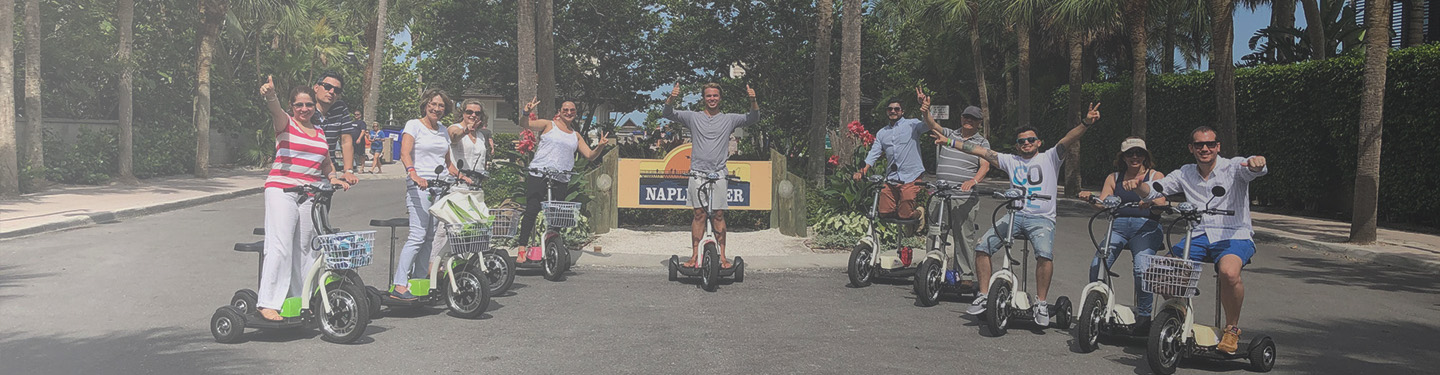
Mobility Scooter Import Guide for EU Buyers: Full Sourcing, Compliance & Logistics Handbook (2026 Updated)
Table of Contents
- Introduction: The EU Mobility Scooter Wholesale Market Opportunity
- EU Regulatory Classification & Mandatory Compliance Standards
- Complete Certification Checklist for Customs Clearance
- Core Product Spec Selection Matching EU End-User Demand
- Step-by-Step Bulk Sourcing & Supplier Qualification Framework
- EU Import Tariffs, VAT & Landed Cost Calculation Breakdown
- International Shipping, Battery Transport & Customs Documentation
- Regional Market Differences: Germany, France, Nordic & Southern EU
- Post-Arrival Market Launch & After-Sales Risk Control
- Common Import Mistakes & Preventative Solutions
- Final Checklist Before Confirming Mass Orders
Introduction: The EU Mobility Scooter Wholesale Market Opportunity
EU Regulatory Classification & Mandatory Compliance Standards
1. Two Official Product Classifications
- Class I Medical Device (MDR 2017/745)
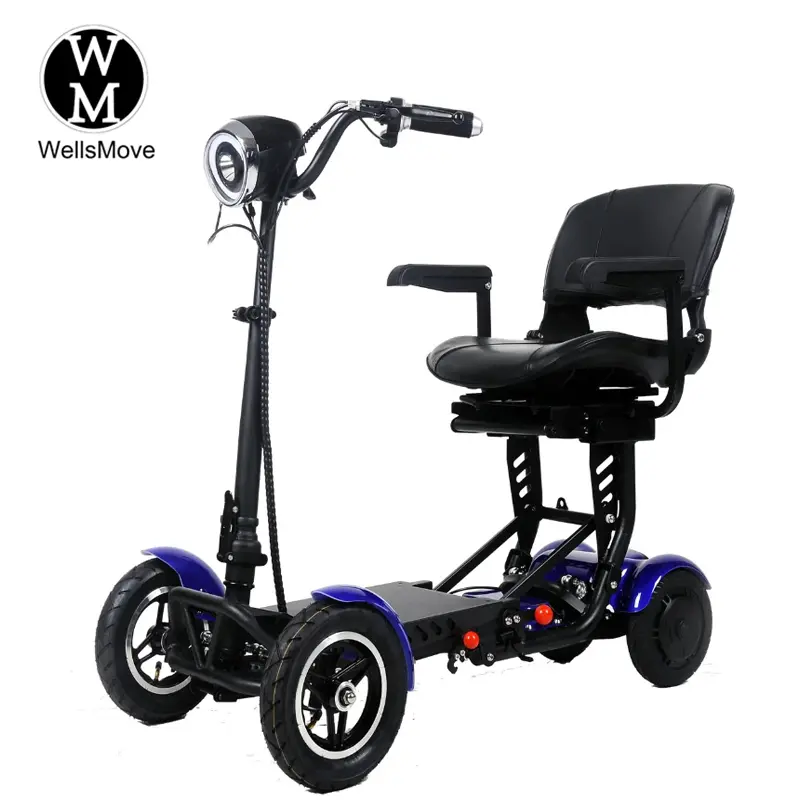
Most three-wheel mobility scooters designed for elderly or disabled users fall under this category, subject to the strictest EU medical device oversight. All units sold for medical mobility purposes require full EN 12184 testing, EU Authorised Representative appointment and EUDAMED SRN registration with UDI marking mandatory starting May 28, 2026. Without UDI labels and registered SRN numbers, customs will seize full container shipments.
- Light Electric Low-Speed Vehicle (L-Category)
Heavy-duty, high-power trikes for patrol, warehouse or tourist rental use are classified as light vehicles, requiring E-Mark certification under ECE R136 alongside standard CE marking. These models cannot be marketed as medical mobility aids within EU territory.
2. Non-Negotiable Harmonized Standards
- EN 12184: Core safety, braking, stability and ergonomics for medical mobility scooters
- LVD 2014/35/EU: Low voltage electrical safety for 48V battery systems
- EMC 2014/30/EU: Electromagnetic compatibility to avoid interfering with medical equipment
- RoHS & REACH: Restricted hazardous substance limits for frames, plastics and wiring
- UN38.3 + MSDS: Lithium battery transport safety certification for all lithium-powered trikes
- ISO 7176-31: Specialized battery durability testing for medical mobility devices
Complete Certification Checklist for Customs Clearance
Mandatory Certification Package
- CE marking permanently printed on vehicle nameplate (not removable stickers)
- Signed EU Declaration of Conformity (DoC) from the original manufacturer
- Full Technical Construction File (TCF): Risk assessment, BOM, test reports, design drawings
- EU Authorised Representative contact & registration document
- EUDAMED SRN registration certificate + UDI barcode labels affixed to each unit
- UN38.3 battery test report, MSDS and battery packaging certification
- RoHS & REACH chemical compliance statements
- EN 12184 full laboratory test report from an EU-notified testing body
- Manufacturer ISO 9001 quality management certificate (required for large bulk orders)
Regional Supplementary Permits
- Germany: ABE road operating permit for any trike operated on public roadways, verified by KBA authorities
- Nordic Countries (Sweden, Norway, Denmark): Additional cold-temperature durability test documentation
- France: Supplementary brake performance certification for hilly urban terrain
Core Product Spec Selection Matching EU End-User Demand
1. Portable Lightweight Mobility Trikes (Retail & Care Home Mainstream)
- Motor: 500W rated output (maximum allowed for sidewalk-only operation)
- Battery: 48V 12Ah lead-acid or lithium-ion; lithium preferred for high-margin retail lines
- Maximum speed: 6–12 km/h (compliant with urban pedestrian zone speed caps)
- Climbing capacity: 10–15 degree gradient for flat suburban neighborhoods
- Load capacity: 120–150kg, anti-tip rear wheels as standard safety feature
- IP rating: IPX4 minimum to withstand European rain and outdoor storage
2. Heavy-Duty All-Terrain Trike (Rental, Rural & Security Patrol)
- Motor: 600W upgraded power system
- Battery: 48V 20Ah long-range lithium pack
- Climbing capacity: Up to 30 degrees for mountain and rural EU regions
- Extended range: 30–40km per full charge
- Additional hardware: Turn signals, rear brake lights, rearview mirrors, reinforced steel frame
Critical Spec Red Flags to Avoid
- Units exceeding 15km/h top speed without full E-Mark vehicle approval (banned from public use in most EU nations)
- Absence of automatic electromagnetic braking system (mandatory for medical classification)
- Plastic-only frames without aluminum or steel structural reinforcement (fails EN 12184 stability testing)
- Batteries without UN38.3 certification (shipping carriers refuse container loading)
Step-by-Step Bulk Sourcing & Supplier Qualification Framework
Step 1: Pre-Sourcing Market Alignment
- Private retail mobility stores: Prioritize lightweight, foldable lithium trikes with full medical CE
- Elderly care institutions: Focus on stable, low-speed basic lead-acid models with competitive bulk pricing
- Tourist resort fleets: Heavy-duty high-climb trikes with rental-ready durability upgrades
- Industrial security & warehouse patrol: Vehicle-class E-Mark certified trikes
Step 2: Supplier Qualification Audit
- Minimum 10+ years manufacturing experience in metal frame and electric mobility production
- Complete archive of EU-specific certification test reports for matching trike models
- In-house electronic and structural testing labs to support pre-shipment inspection
- Capacity to produce customized multilingual user manuals (English, German, French, Spanish)
- Ability to batch-mark UDI serial numbers for full traceability per MDR rules
Step 3: Sample & Pre-Production Inspection
- Request 2–3 sample units for local third-party testing against EN 12184 standards
- Confirm all nameplate marking, warning labels and CE print quality match regulatory requirements
- Validate battery batch consistency and charging system safety performance
- Lock finalized technical drawings and spec sheets into formal sales contracts to prevent production substitutions
Step 4: Order Quantity & Lead Time Planning
- Small trial orders (50–100 units): 30–40 day production lead time
- Full container bulk orders (300–600 units): 45–60 day lead time including certification batch testing
- Peak season (Q3–Q4 for elderly care inventory): Add 15-day buffer for factory production backlogs
EU Import Tariffs, VAT & Landed Cost Calculation Breakdown
Core Cost Components
- Base product unit cost (FOB factory port)
- Ocean freight + container loading, packaging and inland factory transport
- EU import tariff: Standard MFN duty rate 6% calculated on FOB value
- National VAT: 19% (Germany) / 20% (France) / 25% (Nordic nations), applied to total goods + freight + tariff value
- Port clearance, customs broker and local delivery logistics fees
- Certification amortization cost (one-time testing fees divided across full order volume)
- Local compliance modification fees (if adjusting models for national road standards)
Cost Optimization Tip
International Shipping, Battery Transport & Customs Documentation
1. Battery Shipping Compliance Rules
- All lithium batteries must be individually packed with shock-absorbent foam, separated from vehicle metal frames
- Outer container must display UN3480 dangerous goods shipping labels on all four sides
- Supplier must provide complete MSDS, battery test summaries and dangerous goods declaration prior to vessel loading
- Lead-acid battery models require acid-leakage barrier packaging with separate hazardous goods paperwork
2. Mandatory Customs Document Package for EU Ports
- Commercial invoice with full HS 8713 classification, unit pricing and total shipment value
- Packing list with individual unit serial numbers (matching UDI registration)
- Manufacturer sales contract
- Full set of certification documents (CE, DoC, TCF, UN38.3, EUDAMED proof)
- Certificate of origin (for preferential tariff relief under applicable trade agreements)
- Dangerous goods shipping declaration (lithium battery variants only)
3. Container Loading Best Practices
- Secure each trike with fixed metal brackets to prevent transit frame damage
- Disconnect battery terminals during transport to eliminate fire risk
- Waterproof plastic wrapping for all exterior plastic components to resist salt ocean air corrosion
Regional Market Differences: Germany, France, Nordic & Southern EU
Germany
France
Nordic EU (Sweden, Denmark, Finland)
Southern EU (Spain, Italy, Portugal)
Post-Arrival Market Launch & After-Sales Risk Control
1. Local Inventory & Traceability
2. Warranty & Spare Part Stocking
3. Product Recall Protocols
Common Import Mistakes & Preventative Solutions
- Only receiving a CE sticker, no full test report file
Solution: Require suppliers to provide complete EN 12184 laboratory test reports before deposit payment; customs reject sticker-only compliance evidence.
- Incorrect HS code classification leading to tariff overcharges or detention
Solution: Confirm HS 8713 with your EU customs broker before drafting commercial invoices; avoid mislabeling as general electric vehicles.
- Skipping EU Authorised Representative registration for medical trikes
Solution: Secure a registered EU AR before shipment arrival—unrepresented medical devices face permanent seizure.
- Undertested lithium batteries missing UN38.3 certification
Solution: Add a clause in purchase contracts allowing full order rejection if battery safety documentation is incomplete.
- Mismatched UDI serial numbers on units and EUDAMED database
Solution: Request suppliers to share pre-shipment UDI batch logs for cross-verification before container departure.
Final Checklist Before Confirming Mass Orders
- Product classification confirmed (MDR Medical Device / L-Class Vehicle)
- Complete CE, EN 12184, UN38.3, RoHS & REACH test reports received
- EU Authorised Representative assigned and EUDAMED SRN registered
- UDI marking template validated and serial batch tracking system confirmed
- Spec sheets match local regional road and safety requirements
- Dangerous goods battery packaging and shipping paperwork finalized
- Landed cost breakdown including tariff, VAT and logistics fully calculated
- Spare part warranty terms and recall protocols written into sales contract
- Sample units passed local third-party safety pre-testing
Closing Summary
Post time: Jul-10-2026