


Latest CE Certification Requirements for Electric Mobility Scooters Exported to the EU | A Must-Read Compliance Guide for International Wholesalers
For the procurement and distribution of electric mobility scooters in the EU market, CE certification is a mandatory market access threshold, and also the core basis for terminal channels, customs clearance, after-sales claims and brand trust. This article sorts out the latest compliance points in 2026 from the perspective of EU regulations and market practice, helping international wholesalers accurately control access standards and reduce trade risks.
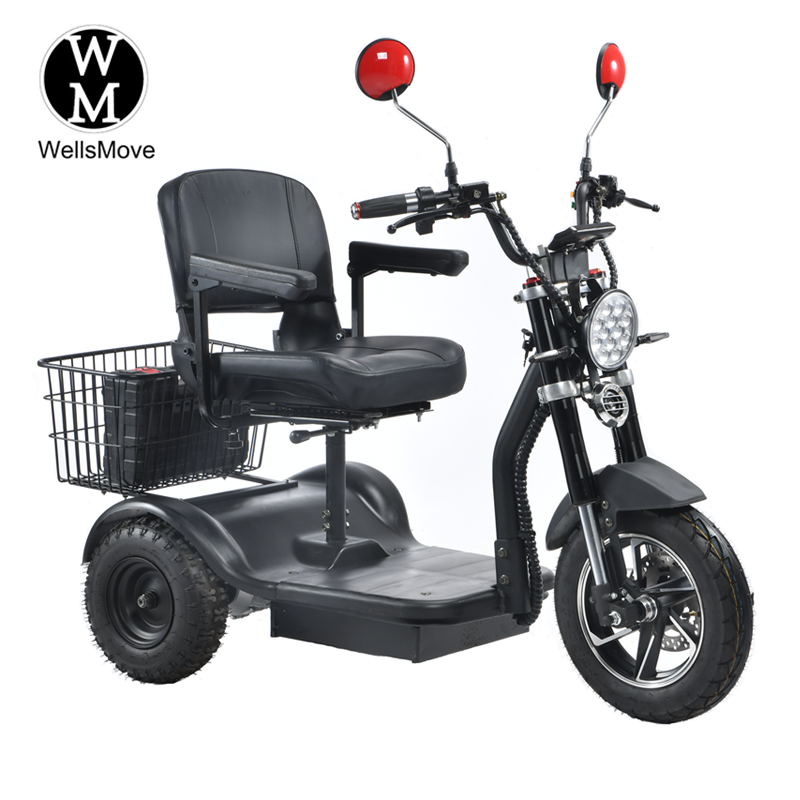
1. Compliance Positioning and Applicable Rules of Electric Mobility Scooters in the EU
The EU regulates personal electric mobility devices by purpose, speed, power and usage scenarios. Electric mobility scooters are mainly divided into two categories with different certification paths:
Medical & Rehabilitation Scooters (for the elderly / disabled)
Classification: Class I Medical Devices
Core Regulation: MDR 2017/745
Harmonized Standards: EN 12184, ISO 7176
Requirements: Technical documentation, risk assessment, EU Authorized Representative, EUDAMED registration, Declaration of Conformity (DoC)
General Light Mobility / Leisure Scooters (non-medical use)
Classification: Personal Mobility Device (PMD)
Core Regulations: Machinery Directive MD 2006/42/EC (to be replaced by (EU) 2023/1230 from 2027), EMC 2014/30/EU, LVD 2014/35/EU
Harmonized Standards: EN 17128, EN 14619
Key Parameters: Maximum design speed usually ≤25km/h, power and structure meet EU safety limits
2. Core Mandatory CE Certification Requirements 2026–2027 (Latest Version)
1. Updates to Directives and Standards (Must Be Implemented)
New Machinery Regulation (EU) 2023/1230
Transition period until 20 January 2027; new products from 2026 need early adaptation. Strengthened requirements for risk assessment, supply chain traceability, digital technical documentation, cybersecurity, and mobility scooters are included in supervision.
Battery Regulation (EU) 2023/1542
Mandatory entry into force in July 2026. Lithium batteries must pass new safety tests such as thermal propagation, low pressure, crush, nail penetration; only reports from EU-accredited laboratories are valid.
Electromagnetic Compatibility (EMC)
Complies with EN 61000-6-1/-3 to ensure no interference with vehicle electronics, medical devices and public signal systems.
Low Voltage Directive (LVD)
Covers charging system, wiring harness insulation, electric shock protection, over-temperature protection; DC ≤120V and AC ≤240V must comply.
2. Key Product Safety Test Items (Must Check for Wholesalers’ Inspection)
Test Category Core Requirements Compliance Significance
Structural Strength Static pressure, impact, fatigue tests for frame/chassis; anti-tipover and anti-rollover stability Avoid breakage and overturning during use
Brake System Dual brake redundancy, parking brake, no rolling on ramps Meet EU road and site safety bottom line
Electrical Safety Overcharge/over-discharge/short-circuit/reverse-polarity protection; IPX4 or higher waterproofing Eliminate fire and electric shock hazards
Battery Safety IEC 62133, UN 38.3; new thermal runaway suppression requirements Comply with EU battery and transport safety
Labeling & Manual Permanent nameplate, CE mark, parameter label, multilingual safety warnings Must-pass item for customs clearance and market spot checks
3. Compliance Documents and Market Surveillance Requirements
EU Authorized Representative (EU AR): Mandatory, responsible for compliance liaison and recall coordination
EUDAMED Registration (medical type): Manufacturer completes SRN registration in the EU database
Technical Construction File (TCF): Full English, including design, testing, risk assessment, BOM, process control
Declaration of Conformity (DoC): Signed by the manufacturer, retained long-term
Traceability System: Unique serial number, production batch, supply chain traceable to meet GPSR General Product Safety Regulation
3. Additional Requirements in Major EU Markets (Essential for Wholesale Launch)
Germany: Prefers TÜV Rheinland / TÜV SÜD test reports; some states require turn signals and daytime running lights
France: Mandatory French warnings and localized product information; some cities require registration labels
Italy: Requires VIN (Vehicle Identification Number), integrated into local management system
Netherlands / Nordic Countries: Strict low-carbon and environmental requirements; priority for recyclable design, low energy consumption, compliant battery products
4. Compliance Risk Control Tips for International Wholesalers
Verify Certification Before Bulk Purchase
Check: CE mark + harmonized standard number + EU AR info + test report + DoC; reject “fake CE, certificate reuse, expired reports”.
Distinguish Medical / Non-Medical Categories
Medical models must follow the MDR route and cannot be replaced by ordinary machinery directives, otherwise facing removal, fines, recalls.
Adapt to 2026 New Battery Regulation
Confirm batteries meet (EU) 2023/1542 to avoid customs blockage and return losses after July.
Consistency Between Documents and Products
Nameplates, models, parameters and manuals must match test reports; high-frequency verification in EU market spot checks.
Reserve Transition Period for New Machinery Regulation
New products launched in 2026–2027 designed per (EU) 2023/1230 to avoid inventory unable to clear customs due to regulation switch.
5. Wellsmove Compliance Advantages (For EU Wholesale Clients)
With over 20 years of R&D and manufacturing in electric mobility scooters, Wellsmove has completed a full range of CE compliance layout for the EU market:
Covers full standards of EN 12184, EN 17128, EMC, LVD, battery safety
Medical models completed MDR compliance and EU AR configuration, supporting EUDAMED registration
Products pass strict tests of structure, brake, waterproof, battery, adapting to major markets such as Germany, France, Netherlands and Nordic countries
Provides complete test reports, technical documentation, Declaration of Conformity to support wholesalers’ customs clearance and channel access
Conclusion
EU supervision of electric mobility scooters continues to tighten. CE compliance is not an option, but a basic threshold for wholesale trade. 2026–2027 is a critical period for regulation transition. Only by mastering standards in advance and strictly controlling supply chain compliance can you stably deepen the EU market and reduce operational risks.
Post time: Mar-27-2026