

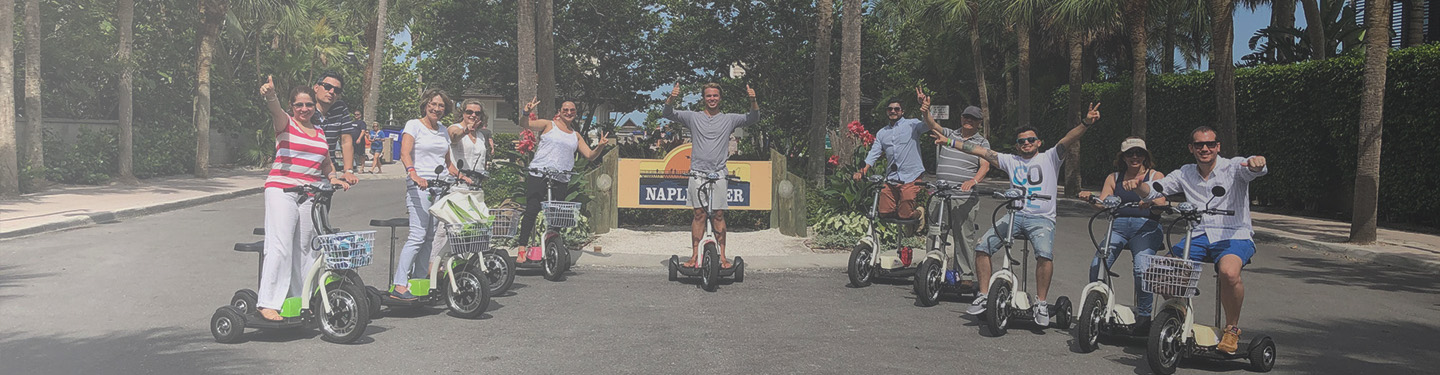
Guide to Bulk Purchasing Electric Tricycles
With the increasing global demand for short-distance travel, the advancement of aging societies, and the expansion of the commercial short-distance delivery market, electric tricycles have become a popular choice in the bulk purchasing sector due to their flexibility, convenience, energy efficiency, and strong carrying capacity. Whether it’s overseas distributors expanding their product lines, community service organizations purchasing convenient equipment, or commercial teams equipping themselves with delivery tools, bulk purchasing can reduce costs and stabilize the supply chain through economies of scale. This article will provide a professional and practical guide to bulk purchasing, covering the entire procurement process, to help buyers avoid pitfalls and achieve efficient implementation.
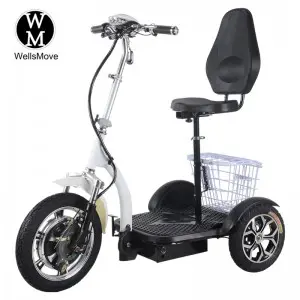
I. Clarifying Core Needs: The “Starting Point” of Bulk Purchasing
The core of bulk purchasing is “matching needs,” and blind ordering will only lead to wasted resources. Before starting the procurement process, the following aspects need to be clearly defined:
1. Identifying Usage Scenarios and Target Users
Different scenarios have significantly different product requirements:
Personal transportation scenarios (for the elderly and commuters): Focus on ease of operation, comfort, and safety, such as seat softness, shock absorption, and one-button start function;
Commercial delivery scenarios (community express delivery, small shop deliveries): Focus on load capacity (recommended models with a load capacity of 50-200kg), cruising range, and cargo box compatibility;
Special needs scenarios (for people with disabilities): Must comply with barrier-free design, such as adjustable seats, ramp assistance, and low-speed safety mode.
2. Determining Procurement Scale and Budget
The procurement scale directly affects the bargaining power and delivery cycle: Small batch trial orders (50-100 units) are suitable for initial cooperation or market testing, while large-scale purchases (300 units or more) can secure better discounts, but the supplier’s production capacity needs to be confirmed. At the same time, the budget should cover product costs, logistics costs, customs clearance fees, and subsequent after-sales reserve funds to avoid exceeding hidden costs. 3. Benchmarking Against Target Market Compliance Standards
Different countries and regions have specific compliance requirements for electric mobility scooters. Before placing a bulk order, you must verify the following:
Voltage and Certification: The EU requires CE certification, the US requires compliance with relevant FDA standards, and some Southeast Asian countries require voltage compatibility with 220V/50Hz and require locally recognized quality inspection reports;
Safety Regulations: Some regions have mandatory requirements for maximum vehicle speed (usually limited to 25-45km/h), braking systems, and reflective markings to avoid customs clearance issues due to non-compliance.
II. Selecting High-Quality Suppliers: The “Peace of Mind” for Bulk Purchasing
The strength of a supplier directly determines product quality, delivery efficiency, and after-sales service. When selecting a supplier, focus on the following dimensions:
1. Qualifications and Industry Experience
Prioritize brand suppliers with core qualifications, such as those certified with ISO9001 quality management system and possessing compliance certifications for the target market (e.g., CE, FDA). Also, consider the supplier’s industry experience; brands with more than 3 years of experience in manufacturing electric three-wheeled mobility scooters and with successful overseas bulk purchasing cases (such as Wellsmove) are better equipped to handle various issues in international procurement.
2. Production Capacity and Supply Chain Stability
Bulk purchasing requires confirming the supplier’s production capacity: whether they have independent production lines, whether their annual production capacity matches the procurement scale, and whether they have stable supply channels for core components (batteries, motors). It is recommended to request the supplier to provide a production plan and delivery schedule to avoid delays due to insufficient capacity or component shortages.
3. Product Development and Customization Capabilities
High-quality suppliers should possess a certain level of customization capabilities: for example, adjusting cargo box dimensions, adding anti-theft systems, and customizing brand logos according to the buyer’s needs. Also, consider their product development and iteration capabilities, whether they use high-energy-density lithium batteries, efficient and quiet motors, and other high-quality components to ensure the product’s competitiveness in terms of range and durability.
4. Communication and Service Responsiveness
Efficient communication is crucial in international bulk purchasing. Suppliers should have a professional international business team that can respond to inquiries promptly, provide detailed product information (parameters, test reports), and provide guidance throughout the negotiation, contracting, and delivery processes. It is recommended to evaluate the supplier’s service attitude and professionalism in advance through sample testing and factory visits via video. III. Focusing on Core Product Features: Key Indicators for Bulk Purchasing
The core performance of electric three-wheeled mobility scooters directly impacts user experience and market feedback. The following parameters should be carefully considered before bulk purchasing:
1. Power and Range
Motor power: Choose based on the usage scenario. For personal mobility, a 350-500W motor is suitable; for delivery or uphill scenarios, a 500-1000W motor is recommended to ensure sufficient power;
Range: Prioritize models with a range of ≥60km (using lithium batteries as an example) to avoid frequent charging affecting usage; also pay attention to battery cycle life. High-quality lithium batteries can have over 1000 cycles, resulting in a longer lifespan;
Charging efficiency: Choose models that support fast charging (2-4 hours to fully charge) to improve convenience.
2. Safety and Durability
Safety features: Must include basic configurations such as front and rear disc brakes, anti-rollover frame, high-brightness LED headlights, and reflective markings. For some scenarios, additional features such as reversing radar and anti-theft alarm systems may be required;
Durability: Prioritize high-carbon steel or aluminum alloy for the frame material, which offers corrosion resistance and strong load-bearing capacity; components must undergo aging tests, for example, the service life of the braking system and shock absorbers should be ≥3 years.
3. Comfort and Practicality
Comfort: The seat should be made of breathable and wear-resistant material and equipped with shock-absorbing springs to reduce bumps; the control design should be simple and easy to understand, suitable for people of different ages;
Practicality: For delivery models, consider the sealing and load distribution of the cargo box; for personal mobility models, pay attention to details such as storage space and foldable design to enhance product competitiveness.
IV. Controlling Transaction Details: Key Factors to Avoid Pitfalls in Bulk Purchasing
Bulk purchasing transactions involve large sums of money and complex processes. Details must be clarified to avoid future disputes:
1. Price and Negotiation Strategy
Bulk purchase prices usually have tiered discounts, with higher discounts for larger quantities. During negotiations, request a detailed quotation from the supplier (including unit price, packaging costs, and taxes), and compare the price structures of multiple suppliers. Also, negotiate for additional benefits, such as free provision of easily damaged parts or a reduction in the down payment percentage. 2. Payment and Delivery Terms
Payment Method: A “down payment + final payment” model is recommended, with the down payment controlled at 30%-50%, and the final payment made after the goods are inspected and accepted, reducing financial risk;
Delivery Timeframe: Clearly define the delivery time (e.g., shipment within 30-45 days after placing the order) and include it in the contract. Also, specify the penalties for delayed delivery (e.g., 0.5% of the contract amount per day);
Packaging Requirements: Require suppliers to use export-standard packaging (waterproof and shockproof) to prevent product damage during transportation, and clearly label products with product identification and fragile warnings.
3. Quality Acceptance and Returns/Exchanges
Acceptance Standards: Clearly define the acceptance process in advance, such as sample testing (sampling ratio ≥5%), including appearance, power, range, safety features, etc. Defective products must be replaced free of charge;
Return and Exchange Policy: Specify the return and exchange period (e.g., within 15 days of receipt), who bears the shipping costs, and the product warranty period (recommended ≥1 year). The warranty should cover core components such as motors and batteries.
V. Logistics and After-Sales Service: The “Last Mile” of Bulk Purchasing
1. Logistics Solution Optimization
Choose the appropriate logistics method based on the purchase volume and target market:
Large-volume purchases (over 300 units): Prioritize sea freight, which is more cost-effective. Require the supplier to assist with customs clearance procedures and provide commercial invoices, packing lists, certification documents, etc.;
Small-volume trial orders: Air freight or international express delivery can be chosen for faster delivery, suitable for urgent replenishment or market testing.
At the same time, calculate logistics costs in advance, including freight, insurance, and customs clearance fees, to avoid budget overruns.
2. After-Sales Service System
For bulk purchases, comprehensive after-sales service is crucial for long-term use:
After-sales network: Confirm whether the supplier has cooperative after-sales service points in the target market, or whether they provide remote technical support and on-site repair services;
Spare parts supply: Require the supplier to provide a certain percentage of easily damaged parts (such as brake pads, chargers), and ensure timely supply of spare parts to reduce product downtime;
Training support: For institutional purchases, require the supplier to provide product use and maintenance training to help users get started quickly. VI. Guide to Avoiding Pitfalls in Bulk Purchasing
Avoid “low-price traps”: Some suppliers attract orders with low prices, but their products may have problems such as poor materials, inaccurate battery life specifications, or non-compliance with regulations, leading to extremely high maintenance costs later. It is recommended to prioritize brand products with a balanced price-performance ratio;
Verify the authenticity of qualifications: Require suppliers to provide original certification certificates, factory videos, and copies of contracts from previous collaborations to avoid dealing with “shell companies”;
Avoid verbal agreements: All negotiation results (price, delivery time, after-sales terms) must be included in a formal contract, clearly defining the rights and responsibilities of both parties. Legal review may be necessary;
Emphasize sample testing: Before placing a bulk order, be sure to purchase samples and conduct on-site testing (such as battery life testing, load capacity testing, and safety testing) to confirm that the product meets your needs before placing the order.
Post time: Jan-09-2026