

Electric Mobility Vehicle Import Compliance Guide to Canada: CSA Certification and Tariff Policies
For buyers and importers of electric mobility vehicles targeting the Canadian market, compliance is a prerequisite for customs clearance, sales, and after-sales service. CSA certification is the core of safety access, while tariffs and quotas directly impact costs and supply schedules. This article provides a comprehensive explanation of the key compliance points, certification requirements, tariff rules, and practical considerations for importing electric mobility vehicles from a Canadian regulatory perspective, helping wholesalers ensure stable supply and reduce risks.
I. Regulatory Positioning and Access Logic of Electric Mobility Vehicles in Canada
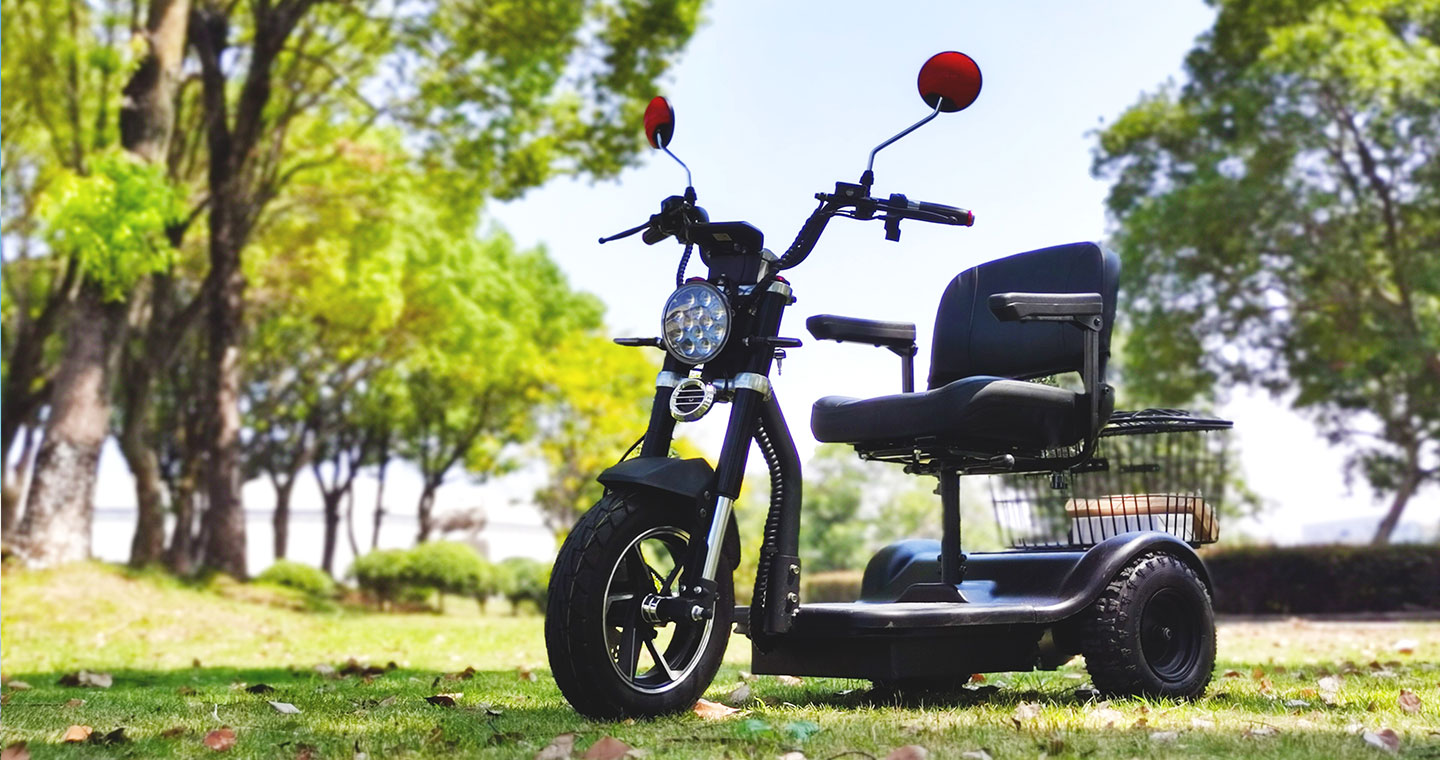
Canada implements a two-tiered regulatory system for electric mobility vehicles (including low-speed personal mobile devices such as mobility aids for the elderly, assistive devices for the disabled, and recreational tricycles):
Federal Level: Transport Canada and the Canada Border Services Agency (CBSA) are responsible for safety standards, import permits, and customs clearance.
Provincial Level: Electrical safety regulations are enforced, mandating CSA certification or equivalent accreditation. Vehicles without certification are prohibited from being sold, registered, or used.
Classification Boundaries: Mobility vehicles with speeds typically <32 km/h are generally regulated as restricted-use vehicles/assistive mobile devices, exempt from some mandatory motor vehicle certification requirements, but electrical and mechanical safety still require adherence to CSA standards.
II. CSA Certification: The “Safety Passport” for Electric Mobility Vehicles in Canada
1. Why is CSA Certification Mandatory?
This is not a voluntary certification on paper, but a mandatory threshold for customs clearance and market sales. Provincial electrical safety regulations clearly require that electrical equipment be certified and labeled by an accredited body.
Without the CSA mark: Customs detention, retailer refusal, lack of after-sales service, and the risk of fines and recalls.
Prioritize C-US dual-certification for compliance coverage of both the Canadian and US markets, enhancing wholesale flexibility.
2. Core Standards for CSA Certification of Electric Mobility Vehicles
Electric mobility vehicles are electrical and mechanical composite products, requiring simultaneous compliance with two standards:
Electrical Safety (Core)
Based on: CAN/CSA C22.2 series (General Safety for Electrical Equipment), C22.2 No. 60335-1 (Safety of Household/Similar Electrical Appliances);
Mandatory Tests: Insulation withstand voltage, grounding continuity, temperature rise, overload/short circuit protection, wiring harness and connector safety, flame retardant material verification.
Mechanical Safety
Based on: CSA Z432 (Mechanical Safety), vehicle structural strength, braking performance, hill-climbing stability, and ergonomic safety of seats/armrests/control components;
Labeling and Instructions
Must include: certification number, rated parameters, safety warnings, manufacturer information, applicable users and usage restrictions. Instructions must be in both English and French.
3. Certification Process and Cycle (For Bulk Imports)
Standard Confirmation: Identify the vehicle category (portable/heavy-duty/tricycle/elderly-specific) and match it to the corresponding CSA standard;
Technical Document Submission: Circuit diagram, BOM, structural drawings, risk assessment, instructions, and certification information for key components;
Sample Testing: Complete safety and mechanical testing at a CSA-authorized laboratory, with a cycle of approximately 4–8 weeks;
Factory Audit (IFC): Verify production consistency, quality control, and inspection processes to ensure consistency between batch and samples;
Certification and Labeling: Obtain CSA certificate, affix certification mark to products, and establish an annual surveillance audit mechanism.
4. Key Compliance Points for Wholesale Procurement
Only purchase complete vehicles with valid CSA certificates and clear labeling; reject “bare-bones, post-certification” vehicles.
Retain certificates, test reports, and factory audit records for customs clearance and channel inspections.
Components (batteries, controllers, chargers) are recommended to have CSA or cUL certification simultaneously to reduce associated risks.
III. Canadian Electric Mobility Vehicle Import Tariffs and Quota Policies (Latest 2026)
1. Tariff Classification and Rates
Electric mobility vehicles are generally classified under subheadings 8711/8713 (Electric Assisted Mobility Vehicles/Three-Wheeled Mobility Vehicles), not passenger cars, and are not subject to the high tariffs for automobiles.
Most Favored Nation (MFN) Tariff: 6.1% (based on FOB value) Zhejiang Council for the Promotion of International Trade.
Additional Taxes: GST/HST (Goods and Services Tax) is payable upon import, varying slightly depending on the province, calculated as the total customs value + tariff.
2. New Quota and Tariff Policy for Chinese-Made Electric Vehicles Starting in 2026 (Key Impacts)
Policy Background: Canada will eliminate the 100% additional tariff on Chinese-made electric vehicles starting March 1, 2026, implementing a tariff quota system;
Annual Quota: 49,000 vehicles, implemented in two phases (March–August, September–February of the following year), on a first-come, first-served basis;
Within the quota: Only a 6.1% Most Favored Nation (MFN) tariff will be levied, significantly reducing import costs;
Note: The quota mainly targets passenger electric vehicles. Low-speed electric mobility scooters are mostly not included in this quota control list, but products originating from China still enjoy a preferential tariff rate of 6.1%, subject to customs classification;
Declaration Standards: Underreporting the value of goods is strictly prohibited. The customs system automatically compares historical prices. Abnormal declarations will trigger verification, fines, and customs clearance delays.
3. Required Documents for Customs Clearance and Import:
Commercial invoice (including product name, HS code, value, country of origin, and model parameters);
Packing list, bill of lading, and certificate of origin;
CSA certification certificate and product identification photos;
Vehicle import declaration (if required), safety compliance declaration;
Battery and electrical component compliance documents (UN38.3, MSDS, etc.).
IV. Risk Warnings for Wholesale Procurement and Import Operations:
Certification and Delivery Schedule Coordination: Complete CSA certification in advance to avoid delays, storage fees, and lost business opportunities due to “certification upon arrival at port.”
Accurate HS Code Classification: Different codes correspond to different tax rates and regulatory conditions. Incorrect classification will lead to re-examination, supplementary taxes, or even return shipment.
Label and Document Consistency: Vehicle identification, instruction manuals, certificates, and customs declaration documents must be completely consistent. English and French bilingual documentation is essential.
After-Sales and Recall Contingency Plan: Canadian regulations are strict. Establish defect feedback and recall processes to protect channel reputation and end-user safety. Provincial Differences: Provinces like British Columbia and Ontario have more detailed requirements for mobile devices on the road and for registration. It’s essential to contact local channels in advance to confirm the applicable rules.
V. Summary: Compliance = Stable Supply + Controllable Costs
For international wholesalers of electric mobility scooters in Canada:
CSA certification is the baseline for safety and market access, determining whether you can sell your products;
Tariffs and classification are the core of costs, determining profits and pricing competitiveness;
Proactive certification, standardized declarations, and securing a compliant supply chain are crucial for long-term, stable expansion in the Canadian senior and assisted mobility market.
Post time: Mar-20-2026